
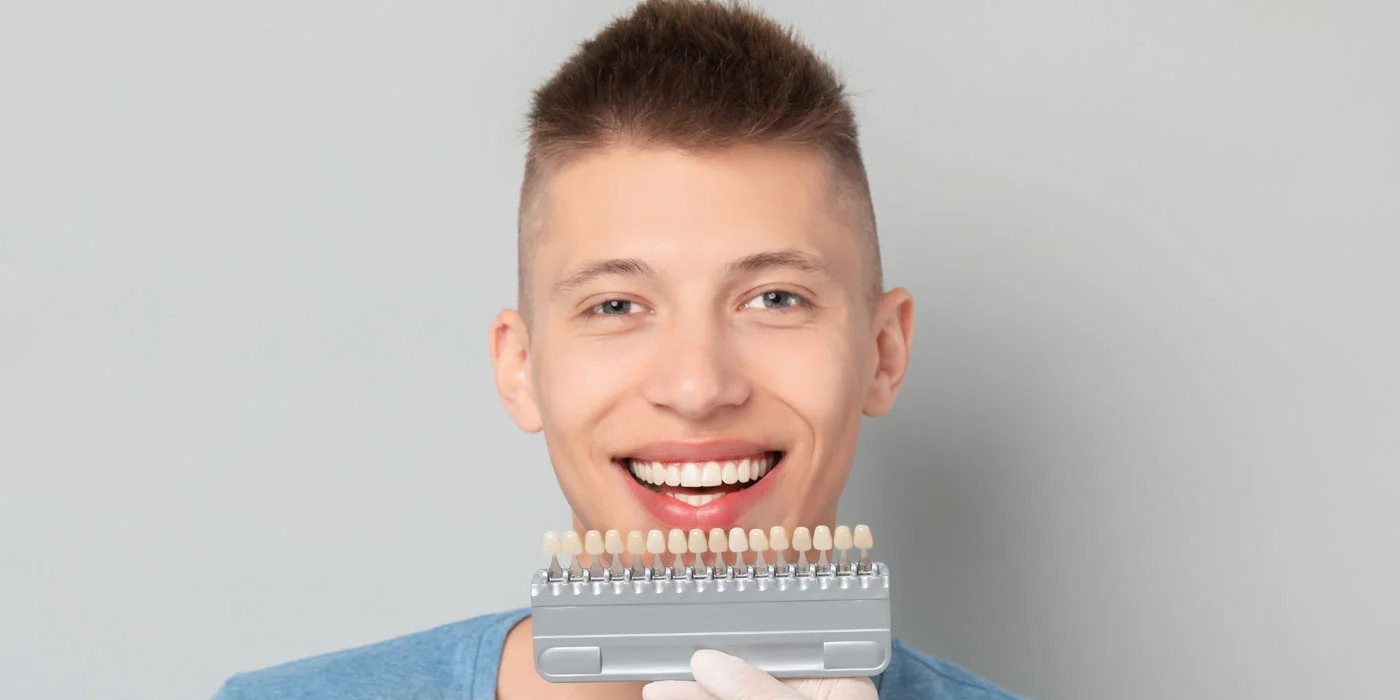
Have you noticed a tooth that looks darker than its neighbours — or a gradual dulling of your smile that no amount of brushing seems to fix? A discoloured tooth is a very common concern, and it can affect both your smile and your confidence. Teeth may appear yellow, brown, grey or even black, and here’s the important part: the cause isn’t always the same.
The good news is that tooth discolouration can almost always be improved — often dramatically — once we know what’s behind it. While many cases are simply due to staining, some may indicate that the tooth has been damaged or infected, which is why every discoloured tooth deserves a professional assessment.
Let’s explore the different types of discolouration, what causes them, and how we can restore the natural brightness of your smile.
What are the two types of tooth discolouration?
Tooth discolouration falls into two camps, and telling them apart is the key to choosing the right treatment:
Extrinsic discolouration
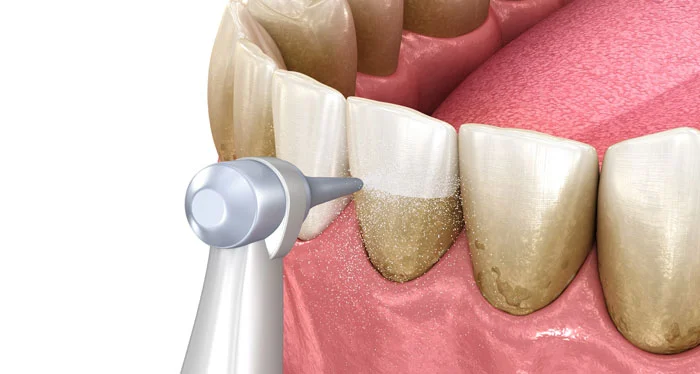
Staining that starts on the outside of the tooth, caused by the foods and drinks we enjoy. Think of it as a mark on the surface of a bench — with the right approach, it polishes away.
Intrinsic discolouration
Colour change that affects the inside of the tooth, caused by factors such as medication or past dental trauma. This runs deeper, and needs a different solution.
What causes tooth discolouration?
The most common causes of extrinsic staining include:
Dark foods and beverages
Tea, coffee and red wine are the usual suspects.
Smoking
Tobacco is one of the most stubborn staining agents of all.
Poor oral Hygiene
Plaque build-up dulls the teeth over time.
Intrinsic discolouration, on the other hand, often involves causes beyond your control:
Age and Genetics
Natural tooth colour varies from person to person, and enamel thins as we age.
Dental Trauma
An injured tooth — even one knocked years ago — can slowly darken.
Certain Medications
Tetracycline exposure during tooth development is a classic example.
Medical Treatments
Chemotherapy can also affect tooth colour.
Is a discoloured tooth a sign of infection?
Not always — a tooth can become discoloured without being infected, particularly if it was injured years earlier and has remained stable ever since. That said, a discoloured tooth can be a sign of infection, so it pays to be watchful. Symptoms such as severe or throbbing toothache, pain when biting or chewing, prolonged sensitivity to hot or cold, swelling of the gums or face, a gum boil, or a bad taste in the mouth all require prompt dental assessment. If you develop facial swelling or severe, worsening pain, seek professional care straight away — urgent cases are always prioritised at Molonglo Dental Surgery.
How is a discoloured tooth treated?
Treatment depends entirely on the diagnosis — which is why we always assess before we treat:
Surface Stains
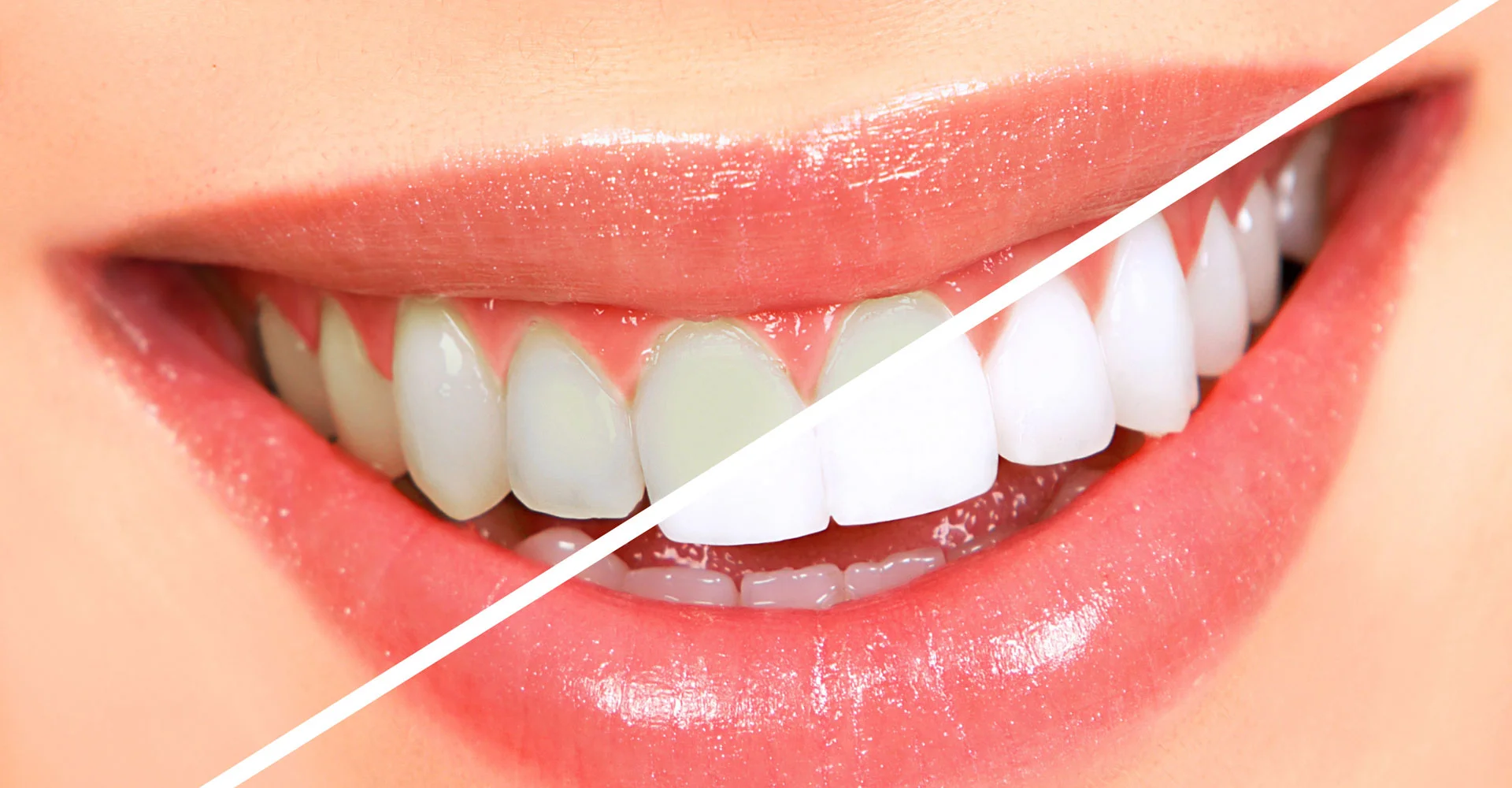
Often respond beautifully to a professional clean or teeth whitening, available as a take-home kit or an in-chair treatment.
Deeper Discolouration
Can often be improved with composite bonding, porcelain veneers or crowns.
A non-vital (dead) tooth
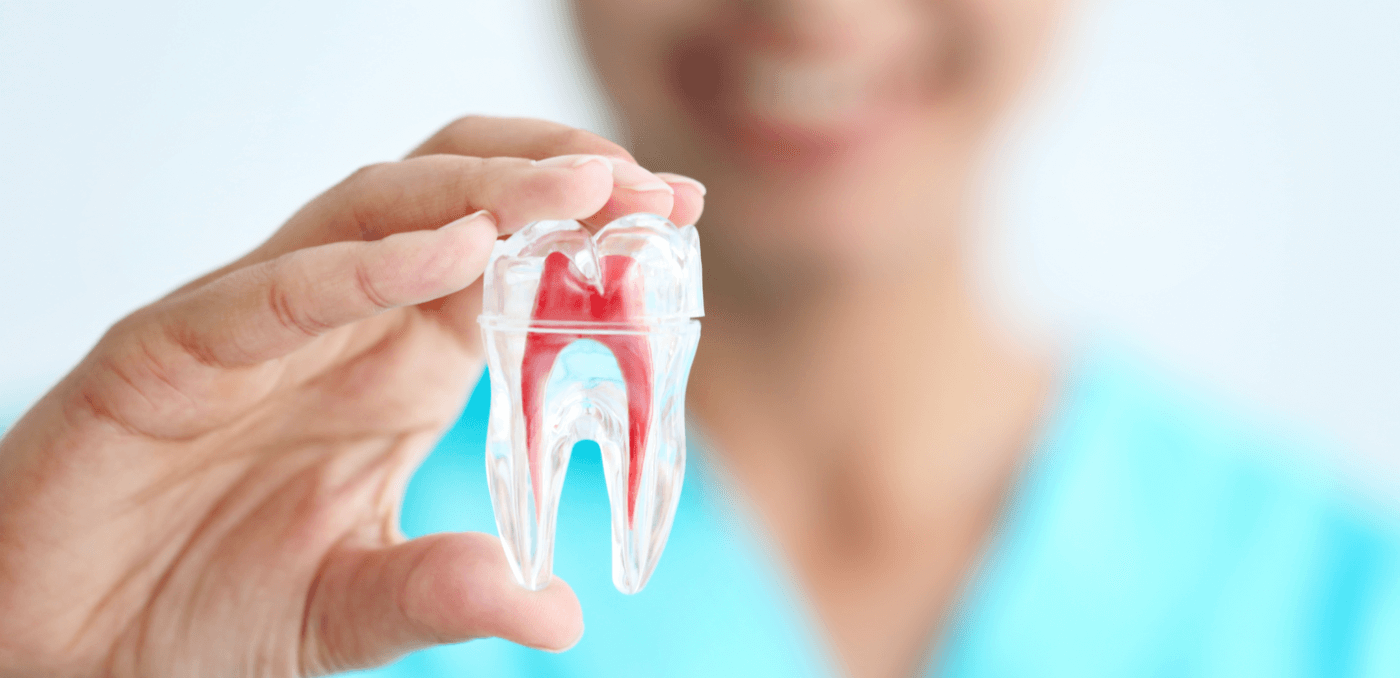
If the nerve inside the tooth has died, root canal treatment may be recommended, followed by internal bleaching or a crown to restore both appearance and function.
At Molonglo Dental Surgery, we carefully assess every discoloured tooth using modern diagnostic techniques to identify the cause and recommend the most appropriate treatment for you.
Is discoloured tooth treatment right for you?
If a discoloured tooth is making you hide your smile in photos — or if a single tooth has darkened suddenly — an assessment is the sensible first step. Early diagnosis can often fix the tooth, relieve any pain, and restore the health and appearance of your smile. With evening and weekend appointments available at our Coombs practice, fitting a visit around work or family life is easier than you might think.
Book your discoloured tooth assessment with Molonglo Dental Surgery today. Call 02 6287 1222 or visit us in Coombs, Molonglo Valley.
Explore more Treatments
Let’s help you get to the right place, these Molonglo services are closely connected.
Frequently Asked Questions
Over-the-counter whitening strips, rinses and pastes can sometimes help lift light surface staining, as can ingredients like sodium bicarbonate. That said, home remedies only work on extrinsic stains — and results are modest. For deeper or single-tooth discolouration, a professional assessment at Molonglo Dental Surgery will get to the real cause.
Red wine, tea, coffee, smoking, poor oral hygiene, ageing, dental trauma and a non-vital (dead) tooth are the most common causes. Some are lifestyle-related and preventable; others are simply part of life — but nearly all can be treated.
When a single tooth darkens on its own, the most common cause is that the nerve inside that tooth has died — often following an injury, sometimes one from years earlier. A single dark tooth should always be professionally assessed, so book in with our friendly Molonglo Valley team promptly.
No. Teeth don’t heal or re-whiten on their own — but the good news is, dental treatment can usually fix the issue readily, whether that’s a professional clean, whitening or a restorative option.
Yes, yellow teeth can absolutely become white again when treated promptly and effectively. Depending on the cause, options range from a professional clean to take-home or in-chair whitening. Payment plans through AfterPay and Ezi-Pay make brightening your smile more affordable than you might expect.
No — whitening isn’t age-specific. It can be done at any age and delivers effective results for older teeth too. In fact, whitening is one of the simplest ways to take years off a smile.
Anyone with active tooth decay, active gum disease or severe tooth sensitivity should hold off on whitening, as it can worsen those symptoms. Not to worry — we’ll treat the underlying issue first, then whiten once your mouth is in the pink of health.