
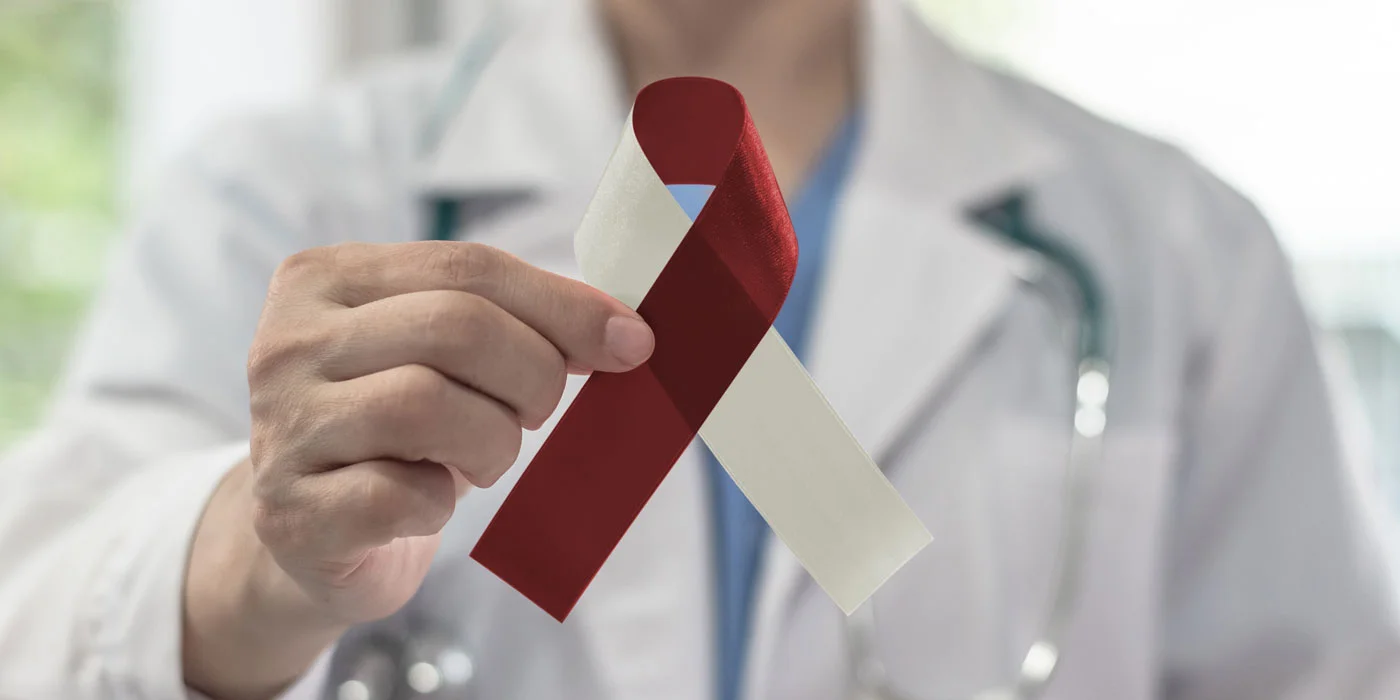
When did you last have the soft tissues of your mouth properly checked — not just your teeth, but your tongue, cheeks, lips, palate and throat? If you can’t remember, you’re not alone. Most of us think of the dentist as guarding our teeth and gums, and forget that the mouth can quietly develop changes that deserve a closer look.
Here’s the reassuring part: early detection saves lives, and at Molonglo Dental Surgery, an oral cancer screening is a routine part of every comprehensive dental examination. This quick, painless assessment is designed to identify any abnormal changes in the mouth, lips, tongue, cheeks, palate and throat that may need further investigation — often long before you’d notice anything yourself.
Let’s go through why screening matters, who’s most at risk, and what actually happens during the check.
Why is oral cancer screening so important?
In many cases, oral cancer develops without causing pain or obvious symptoms in its early stages. There’s no dramatic warning sign — which is precisely what makes regular dental check-ups so essential. By identifying abnormal changes at the earliest possible stage, treatment can often be less invasive and significantly more successful. Put simply, a two-minute check during your routine visit can make a life-changing difference.
Who is most at risk of oral cancer?
Anyone can develop oral cancer, but the risk is higher for people who:
Smoke or use tobacco products
The single most significant risk factor.
Consume alcohol regularly
Particularly in combination with smoking.
Have significant sun exposure
The lips are especially vulnerable — a very Australian consideration.
Have been exposed to HPV
The human papillomavirus is an increasingly recognised risk factor.
If any of these apply to you, regular screening is even more worthwhile — but rest assured, every comprehensive examination at our Coombs practice includes it as standard.
What happens during an oral cancer screening?
The screening is quick, gentle and completely painless. Your dentist will:
Examine inside your mouth
Carefully checking the soft tissues for persistent ulcers, red or white patches, unexplained lumps, areas of thickened tissue, or any changes that haven’t healed within two weeks.
Examine outside your mouth
Gently feeling the jaw, neck and surrounding lymph nodes for any unusual lumps or swelling.
Most patients barely notice it happening — it’s woven seamlessly into your regular check-up.
What if something is found?
First, take a breath: finding a change does not necessarily mean cancer is present. Many oral lesions are harmless, or related to simple irritation or infection. What early assessment gives us is options — we can monitor the area closely, or arrange prompt referral to an appropriate specialist for further investigation if required. Either way, you’re never left wondering.
Is oral cancer screening right for you?
Yes — genuinely, for everyone. Whether you’re a lifelong non-smoker or someone with known risk factors, regular screening is a simple but important part of maintaining your overall health. If it’s been more than six months since your last comprehensive check-up, now is as good a time as any. With evening and weekend appointments, patients from Woden Valley, Tuggeranong and Canberra’s Inner South find it easy to fit a visit in.
Book your comprehensive check-up and oral cancer screening with Molonglo Dental Surgery today. Call 02 6287 1222 or visit us in Coombs, Molonglo Valley.
Explore more Treatments
Let’s help you get to the right place, these Molonglo services are closely connected.

Frequently Asked Questions
Early signs can include persistent mouth pain, redness, white or red patches, numbness, a lip or mouth sore that won’t heal, lumps, and difficulty swallowing. If you’ve noticed any of these — particularly anything that hasn’t healed within two weeks — book an assessment with our friendly Molonglo Valley team promptly.
Unfortunately, not all dentists routinely screen for oral cancer. At Molonglo Dental Surgery, cancer screening is a standard part of every comprehensive check-up — no need to ask, no extra appointment required.
Mouth cancer typically starts on the tongue, the lips, the floor of the mouth or the inner cheeks. It can also begin on the surface of the gums — which is why the screening covers every soft tissue area, not just the obvious ones.
Yes, highly. Early detection of oral cancer gives the best possible chance of successful treatment and survival, and the screening itself costs you nothing but a couple of minutes during a check-up you should be having anyway.
Simply book a comprehensive check-up. Oral cancer is screened through a physical and visual examination of the oral cavity; if any suspicious spots are detected, this is followed by further imaging or a biopsy, and referral to a specialist where needed. Booking is easy — call 02 6287 1222 or drop into our Coombs practice.
As a general guide, every comprehensive dental examination — typically every six months — includes a screening, which is ideal for most people. If you have higher risk factors, your dentist may recommend keeping a closer eye on things. There are no hard and fast rules; it’s tailored to you.