
Have you ever bitten into something and felt a sharp, fleeting jolt of pain — there one second, gone the next? Perhaps it only happens with certain foods, or when you release your bite, and by the time you think to mention it, the pain has vanished again. It can leave you wondering whether you imagined the whole thing.
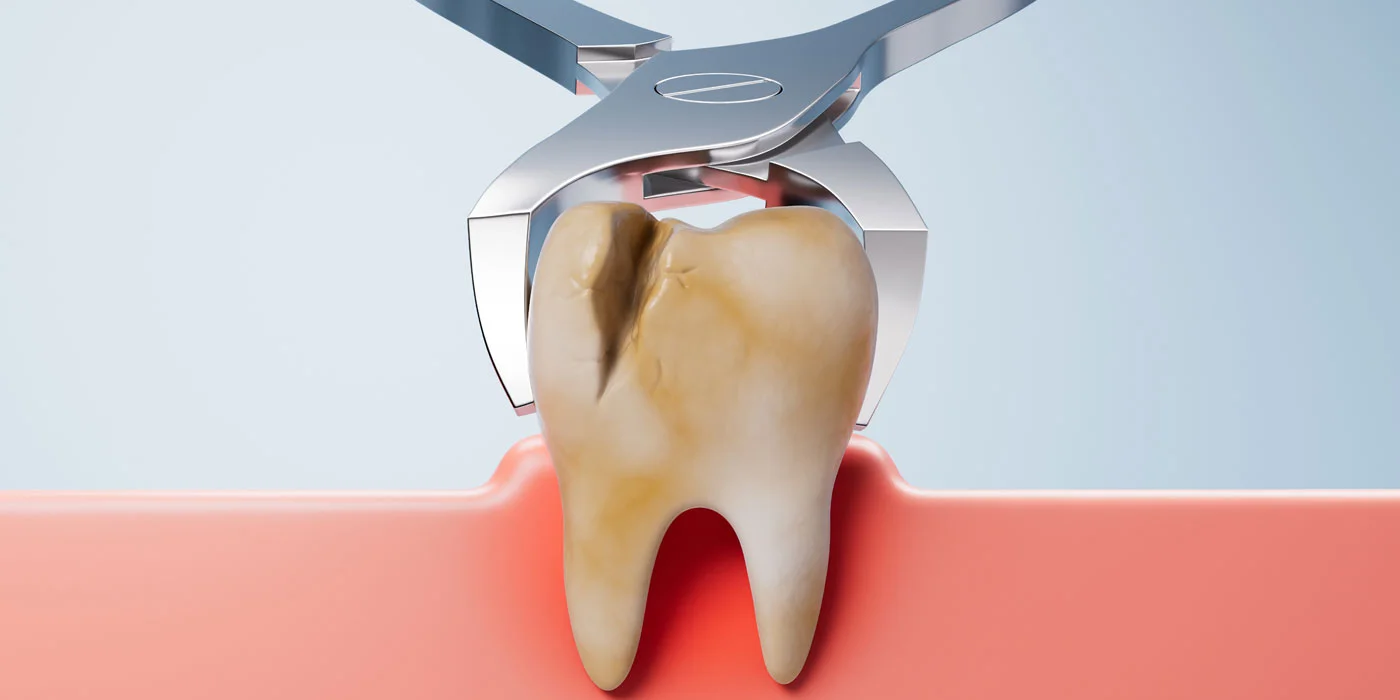
The good news is, you’re not imagining it — and you’re certainly not alone. What you may be experiencing is cracked tooth syndrome (also known as a cracked or fractured tooth), a common condition where tiny cracks develop in a tooth over time, sometimes running between the crown and the root surface. Left untreated, a small crack can slowly propagate deeper into the tooth, eventually reaching the nerve or root and putting the tooth at risk. Caught early, however, a cracked tooth can very often be saved.
Let’s take a look at what causes a cracked tooth, how we diagnose it, and what your treatment options are.
What is a cracked tooth?
A cracked tooth occurs when the natural tooth develops small cracks or fissures over time. Some cracks are visible to the naked eye, but most are not — they hide beneath the surface and reveal themselves only through symptoms. In fact, many minor cracks remain completely symptom-free for a lifetime and need nothing more than monitoring at your regular check-up.
The trouble begins when a crack starts to move. Think of it like a chip in a car windscreen: harmless while it stays small, but given enough pressure and time, it can spread. That’s why early diagnosis matters so much — it gives us the best chance of stopping the crack in its tracks and preserving your natural tooth.
What are the symptoms of a cracked tooth?
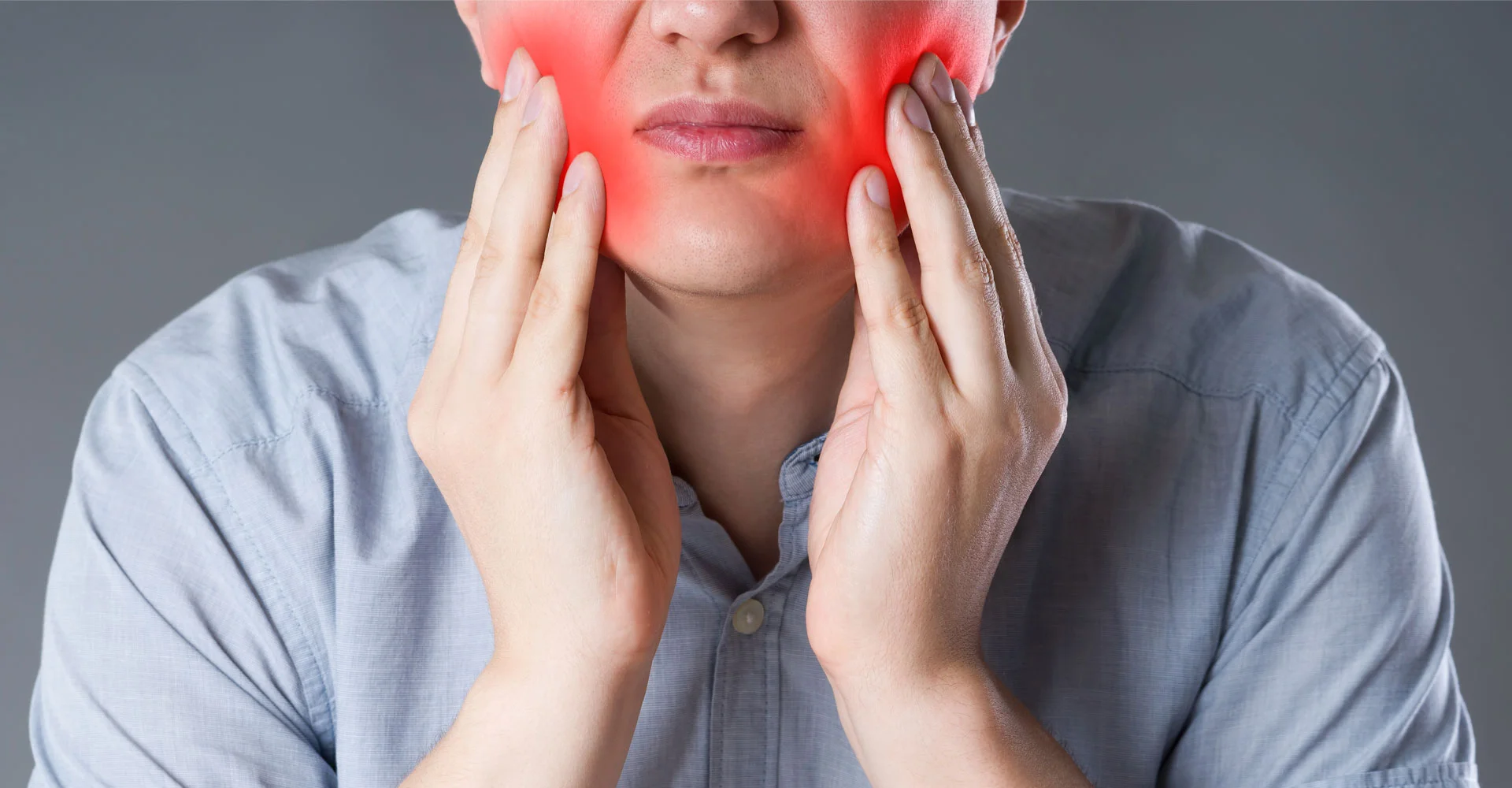
Cracked tooth symptoms are famously unpredictable, which is part of what makes the condition tricky to pin down. You may notice:
Intermittent pain on chewing
Discomfort that comes and goes, often when biting down or — tellingly — when releasing the bite as you close your mouth.
Sudden, sharp pain
Sometimes triggered by soft foods and hard foods alike, seemingly at random.
Sensitivity to hot and cold
A twinge when you sip your morning coffee or a cold drink.
No symptoms at all
Some cracks stay silent, which is why a professional examination is so valuable.
What causes a cracked tooth?
Teeth are remarkably strong, but they’re not invincible. Common culprits include:
Biting on hard foods
An accidental crunch on an olive pit, ice cube or popcorn kernel.
Teeth grinding and clenching
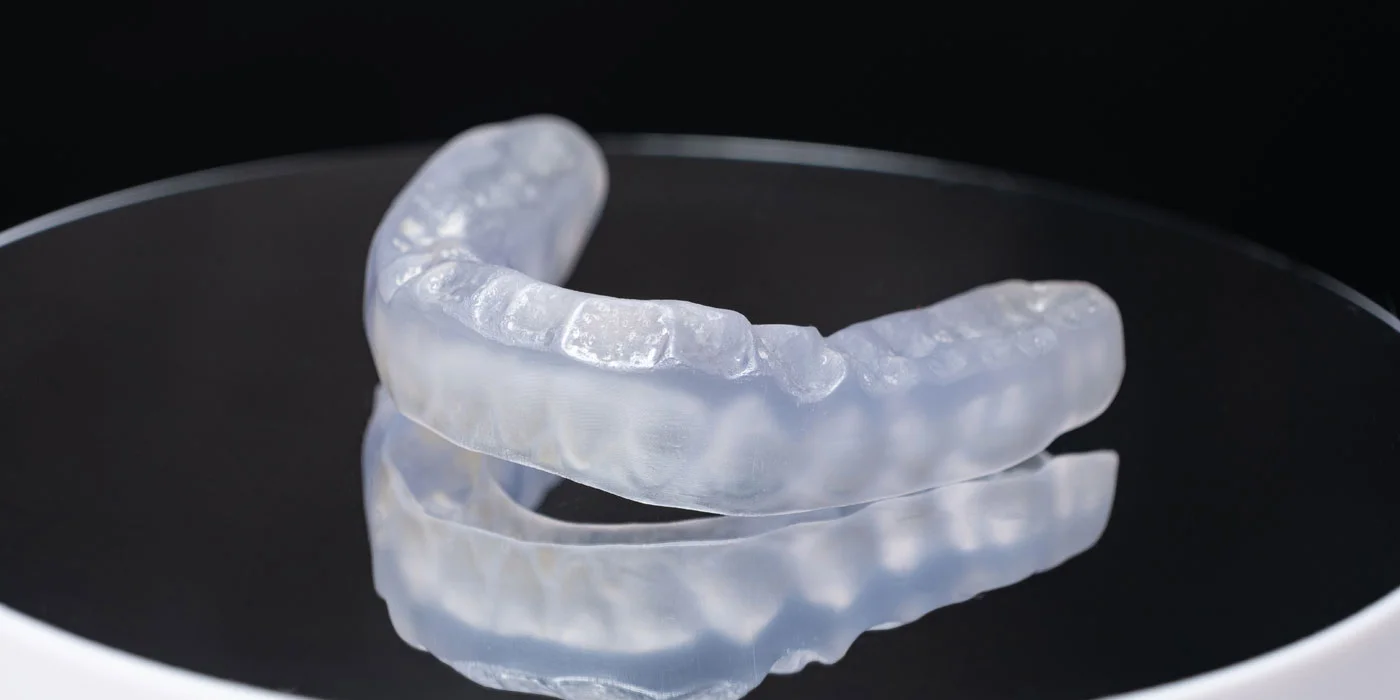
Bruxism (teeth grinding) places enormous repeated force on teeth, often overnight without you realising.
Dental trauma
A knock to the mouth from sport or an accident.
Large existing fillings
older, sizeable fillings can leave the remaining tooth structure more vulnerable.
Natural wear and tear
Teeth naturally weaken with age, making cracks more likely down the track.
How is a cracked tooth diagnosed?
Because the symptoms are so non-specific, a cracked tooth is one of the more challenging diagnoses in dentistry — which is exactly why checking for cracks is a routine part of every examination at Molonglo Dental Surgery. Our Coombs team uses advanced diagnostic techniques to find cracks that the naked eye would miss, including:
Transillumination
Shining a bright light through the tooth to reveal hidden crack lines.
Dental imaging
Digital X-rays to assess the tooth and surrounding structures.
Pressure and bite testing
Identifying exactly which tooth — and which part of the tooth — is reacting.
An early, accurate diagnosis means treatment can be carried out in a timely manner, before the crack has a chance to progress.
How is a cracked tooth treated?
Treatment depends on the depth and direction of the crack. Minor cracks may simply be monitored or sealed, while more established cracks are often protected with a crown, which holds the tooth together and stops the crack from propagating further. If a crack has reached the nerve, root canal treatment may be needed to save the tooth; in rare cases where the crack extends below the gum line, extraction and replacement may be discussed. Rest assured, we’ll walk you through every option — and with flexible payment plans through AfterPay and Ezi-Pay, cost never has to stand between you and prompt treatment.
Is cracked tooth treatment right for you?
If you’ve noticed pain on biting, unexplained sensitivity, or you know you grind your teeth, it’s well worth having your teeth assessed — even if the discomfort comes and goes. Prompt treatment offers the best chance of preserving your natural tooth and preventing further damage. And because a crack can flare up without warning, it’s reassuring to know urgent cases are prioritised at Molonglo Dental Surgery, serving patients across Molonglo Valley, Weston Creek, Woden Valley and surrounding suburbs.
Book your cracked tooth assessment with Molonglo Dental Surgery today. Call 02 6287 1222 or visit us in Coombs, Molonglo Valley.
Explore more Treatments
Let’s help you get to the right place, these Molonglo services are closely connected.

Frequently Asked Questions
The life of a cracked tooth is variable — some minor cracks remain stable for a lifetime, while others progress steadily. Early diagnosis and treatment can significantly increase the longevity of the tooth, which is why we check for cracks at every routine examination at Molonglo Dental Surgery.
Ideally within two to three days of cracking a tooth, as infection can set in if a crack is left too long. Not to worry if your week is busy — our Molonglo Valley practice is open evenings and weekends, and genuinely urgent cases can be seen after hours by arrangement (additional fees apply).
Anyone can crack a tooth, but the risk is higher if you grind or clench your teeth (bruxism), have old or large fillings, or have experienced dental trauma in the past. If any of these sound like you, mention it at your next check-up so we can keep a closer eye on things.
No. Unlike bone, a cracked tooth cannot heal naturally — professional treatment is necessary to prevent further damage. The good news is that with early treatment, most cracked teeth can be saved and restored to full function.
Yes, in many cases. A crown works like a protective helmet for the tooth, holding it together and stopping the crack from propagating further. Your dentist will confirm whether a crown is the right solution after a thorough assessment.
The cost depends on the treatment required — monitoring, a filling, a crown or root canal treatment all differ. We’ll always provide a clear, itemised treatment plan before anything begins, and flexible payment plans are available through AfterPay and Ezi-Pay. We also accept most health funds.
Yes. Dental emergencies are prioritised during our extended evening and weekend hours, and after-hours care can be arranged for genuinely urgent cases (after-hours fees apply). Why not save our number now — 02 6287 1222 — just in case?