

The very thought of a toothache can make you wince. If you’re experiencing dental pain right now, there’s probably nothing more critical than seeking relief.
Dental pain can range from a dull, nagging ache to a sharp, intense jolt that stops you in your tracks. Whether it’s a persistent throb or a flare that hits when you bite down, a toothache has a way of taking over your whole day — and your whole night.
Here’s the thing, though: the pain itself is not the real enemy. Pain should be properly viewed as your body’s alarm system, alerting you that something needs professional attention. And we have good news — with an early and accurate diagnosis, the great majority of causes are very treatable.
That is why accurate dental pain diagnosis is so crucial. Different types of pain indicate different underlying problems, and each requires its own specific treatment approach. Let’s explore the various types of dental pain, how we track down the true source, and when you should seek help.
Types of dental pain and what they indicate
Sharp pain when biting down
Often a sign of a crack, loose filling, or cavity. The pain flares up when pressure hits the damaged spot. Even if it comes and goes, it’s best not to ignore it — these problems usually get worse over time.
Sensitivity to hot or cold
Incredibly common. That quick, sharp sting from hot coffee or ice cream typically means your dentin (the layer under your enamel) is exposed, whether from worn enamel, receding gums, or a cavity. If the ache lingers for more than a few seconds after the heat or cold is gone, it could suggest deeper nerve trouble.
A constant, throbbing ache that keeps you up at night
This often means an infection or abscess. Left untreated, the infection can spread beyond the tooth and lead to serious health issues.
A dull, persistent ache in your upper teeth and jaw
This may not be dental at all, but rather sinus pressure. That said, it could also signal teeth grinding (bruxism) or a TMJ disorder.
Pressure or pain when chewing
You may have a cracked tooth or an issue with the tooth pulp. This pain can be hard to locate — you might feel it in one tooth when the problem is actually in the one next to it.
Common causes of dental pain
The most common cause of toothache involves the presence of cavities. Bacteria produce acid that erodes the tooth enamel, resulting in small holes on the biting surface of the tooth known as cavities. Left untreated, decay can eventually reach the sensitive inner layers. While small cavities might only cause mild sensitivity, larger ones can cause severe pain.
Sometimes infections (known as dental abscesses) occur at the tooth root or between the gum and tooth. Dental abscesses cause severe pain and they require immediate treatment.
Gum disease is another culprit. This is especially true in advanced stages, where infection affects the bone and tissues supporting your teeth. This pain is often accompanied by swelling, bleeding, and loose teeth.
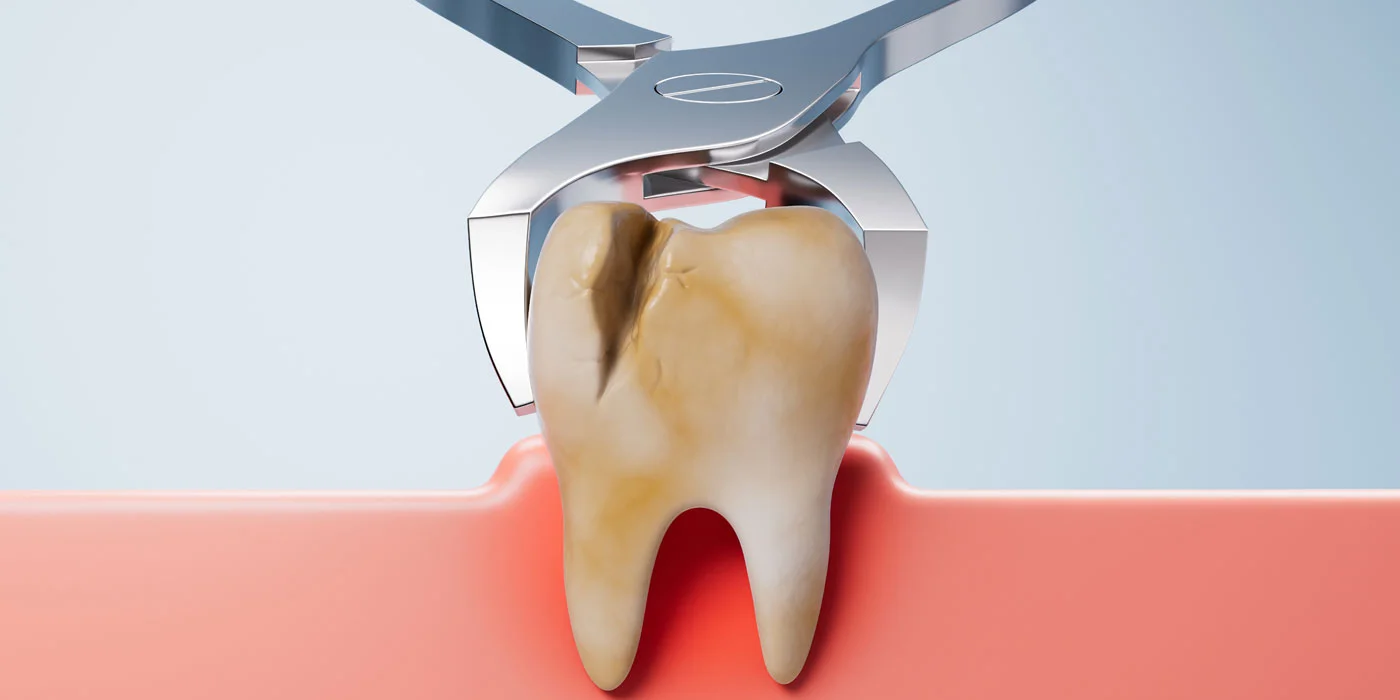
Dental pain may also be the result of cracked or fractured teeth. The damage does not even need to be visible in order to cause distinct pain — even hairline cracks can cause significant discomfort. This type of pain is often triggered by biting or by exposure to temperature changes.
Teeth grinding (bruxism) can also cause jaw pain, headaches and tooth sensitivity. Over time, it wears down tooth enamel and can result in cracked teeth.
Why dental pain can be difficult to pin down
Dental infection is the most common cause of toothache, and it can be surprisingly difficult to diagnose, particularly in its early stages.
Pain can be vague or referred — meaning it’s felt somewhere other than its true source — and other conditions such as sinusitis or jaw muscle tension can mimic a toothache convincingly. A tooth can also be infected while causing no pain at all, once the nerve inside it has died.
That’s why guesswork simply isn’t good enough. A systematic, step-by-step diagnosis is essential, and it’s exactly what we do best.
The diagnostic process
When you come in with tooth pain, our dentist will first perform a thorough examination to find out what is causing it. An accurate diagnosis demands more than just looking at your teeth. It involves a systematic process that combines your description of symptoms with clinical examination and diagnostic tools.
Your symptom history. Your dentist will start by asking detailed questions about your pain. When did it start? What triggers it? How would you describe the sensation? Does anything make it better or worse? Your answers provide crucial clues about the underlying problem.
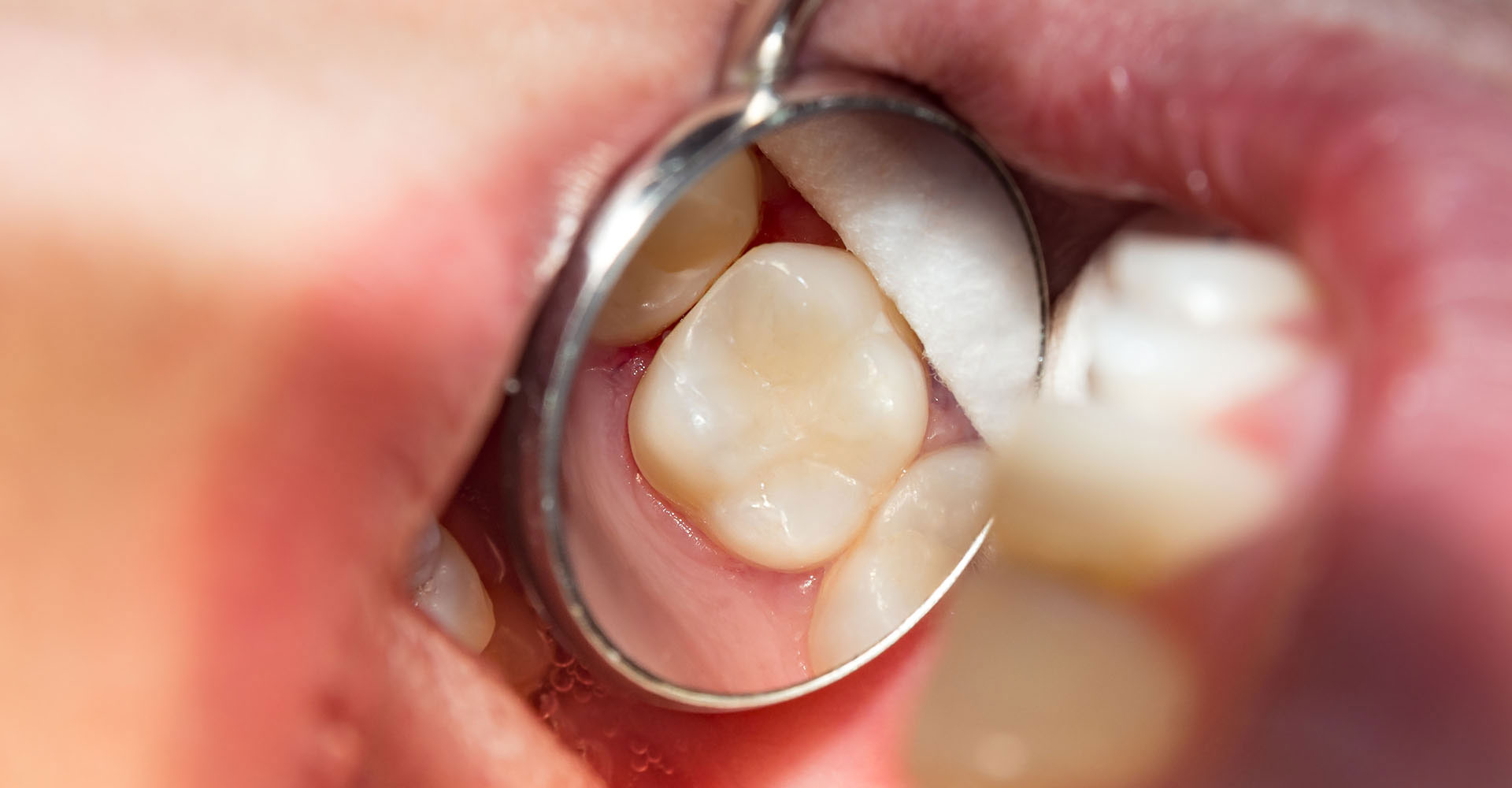
Visual examination. Your dentist will carefully inspect your teeth and gums, looking for decay, cracks, inflammation, swelling, gum abscesses or changes in tooth colour. Existing fillings and dental work are checked for problems as well.
Diagnostic testing. From there, a series of tests helps confirm the diagnosis:
Pulp vitality testing
Assessing whether the nerve inside the tooth is healthy or has died.
Percussion and bite tests
Identifying inflammation around the tooth root, and narrowing down exactly which tooth is causing the problem. Although simple, these tests provide valuable diagnostic information without being invasive.
Temperature testing
Establishing whether the nerve is responding normally, and whether the response lingers.
Periodontal examination
Evaluating the health of the surrounding gums and supporting bone.
Dental imaging. X-rays reveal what’s happening beneath the surface — cavities between teeth, problems with tooth roots, bone loss, or abscesses that aren’t visible during visual examination. Digital X-rays use minimal radiation and provide immediate, detailed images.
Where indicated, a Cone Beam CT (CBCT) scan provides a detailed three-dimensional view of the tooth and surrounding structures. This is invaluable for diagnosing complex infections, hidden fractures or unusual root anatomy.
Why early diagnosis matters
Left untreated, a dental infection doesn’t stay put. It can spread to the surrounding tissues and, in serious cases, cause complications well beyond the mouth.
The same principle applies to nearly every cause of dental pain. Small problems become big ones. A cavity that could have been fixed with a simple filling might progress to a root canal problem — or worse, require extraction. Treatment becomes more complex, more time-consuming and more expensive the longer it waits.
Prompt assessment and treatment not only relieve pain but also help preserve your natural teeth and protect your overall health. Put simply: the sooner we find the source, the simpler the fix tends to be.
What are the treatment options?
Once the cause has been identified, we’ll present all of your treatment options with detailed costs — no surprises, no pressure.
Depending on the diagnosis, treatment may include a filling to restore a decayed tooth, a crown to hold together a cracked one, root canal treatment, drainage of an abscess, periodontal treatment for gum disease, a custom occlusal splint for grinding, or extraction if the tooth cannot be saved.
Antibiotics may be prescribed to help control an acute infection, though they support treatment rather than replace it. Every plan is custom-made for the individual tooth and the treatment it requires, and flexible payment options through AfterPay and Ezi-Pay help keep urgent care affordable.
Is it time to see a dentist about your pain?
If you’re experiencing a persistent toothache, swelling, sensitivity that lingers, or a bad taste in your mouth, don’t wait for it to “settle down” — infections rarely resolve on their own.
And if you develop facial swelling or difficulty opening your mouth, treat it as urgent. If you have difficulty breathing or swallowing, seek emergency medical attention immediately.
Molonglo Dental Surgery prioritises urgent cases for patients across Coombs, Wright, Weston Creek, Belconnen, Woden Valley, Tuggeranong, Gungahlin and Canberra’s Inner South, so you’re never left to tough it out alone.
When dental pain hits, don’t ignore it or rely on temporary pain relievers — get professional help.
Contact Molonglo Dental Surgery immediately on 02 6287 1222, or visit us in Coombs, Molonglo Valley.
Explore more Treatments
Let’s help you get to the right place, these Molonglo services are closely connected.


Frequently Asked Questions
You should schedule a dental appointment if your pain persists for more than a day or two, if the pain is severe, if it is accompanied by fever or swelling, or if it comes with difficulty breathing or swallowing.
At Molonglo Dental Surgery, we offer emergency appointments to attend to urgent dental problems, including severe tooth pain. Early diagnosis is critical in the prevention of more serious problems, and early treatment often translates into a simpler, less invasive and less expensive solution.
Yes. A chronic infection can be a silent one — once the nerve inside the tooth dies, the pain may disappear, but the pool of bacteria remains and the infection keeps growing quietly.
This is one of the key reasons regular check-ups at our Coombs practice are so important, even when nothing hurts.
Several conditions can mimic a dental infection, including sinusitis, bruxism (teeth grinding), gum disease, ear infections and TMJ (jaw joint) disorders.
That’s precisely why we use a thorough, multi-step diagnostic process — so you get the right treatment for the right problem.
Common signs include swelling, extreme sensitivity to hot and cold, difficulty opening the mouth, bad breath, a foul taste, redness in the area, and soreness to touch.
If any of these sound familiar, book in promptly — evening and weekend appointments are available at Molonglo Dental Surgery.
Yes, it can. Dental pain sometimes signals issues beyond your teeth. Left untreated, dental infections can spread to other parts of your body, causing complications well beyond the mouth. Some patients experiencing pain in their upper teeth are found to have sinus infections. Jaw pain may be the symptom of an underlying TMJ disorder.
Instead of second-guessing your symptoms, seek a professional diagnosis to determine the real cause. What seems like a simple toothache might be masking an underlying dental or medical condition that requires attention.
Ignoring dental pain is risky. Small problems become big ones, the pain typically worsens over time, and treatment becomes more complex and expensive.
An infected tooth will not heal on its own. Left untreated, the infection can spread and lead to severe health issues, including sepsis and infections affecting the heart or brain. A basic rule of thumb: do not wait until the pain becomes unbearable to see your dentist.
No — not on their own. Antibiotics are an adjunct that helps reduce the signs of infection, but a dental visit is required to cure the infection completely by treating its source.
Think of antibiotics as the fire blanket, not the fire brigade.
We utilise advanced diagnostic tools, techniques and technology for accurate diagnosis, including:
- Digital X-rays (with minimal radiation exposure)
- Cone Beam CT (CBCT) scans where indicated
- Intraoral cameras
- Pulp vitality testing
- Percussion, bite and temperature tests
- Periodontal examination
- Thorough visual and physical examinations
Our comprehensive diagnostic approach aims to identify the exact cause of your pain, which is critical in helping us develop the most effective treatment plan.
At Molonglo Dental Surgery, we can provide immediate pain relief options including over-the-counter pain medications for mild to moderate pain, stronger medication for severe pain, antibiotics to help control infection, and same-day treatment for emergency cases.
Our goal is not simply to diagnose your pain but to relieve it as quickly as possible. If dental visits make you anxious, please tell us when you book — nitrous oxide sedation (happy gas) is available to help you feel calm and comfortable.
Yes. We recognise that dental pain doesn’t follow a schedule, which is why we prioritise urgent cases during our evening and weekend hours, and after-hours care can be arranged for severe cases (additional fees apply).
If you’re experiencing severe dental pain, swelling, or trauma, call us immediately on 02 6287 1222. Our conveniently located clinic in Molonglo Valley is fully equipped to handle dental emergencies, and our experienced team is trained to provide fast, effective pain relief.
Cost depends entirely on the diagnosis — which is why every assessment ends with a personalised treatment plan and detailed costs before anything goes ahead.
Dental cost is never a good enough reason for delaying emergency treatment. We accept most health funds, and flexible payment plans through AfterPay and Ezi-Pay allow you to receive urgent treatment immediately and manage payments over time. We’re happy to discuss options that fit your financial situation.