

There is perhaps no bigger turn-off than bad breath. You can be a charming, eloquent and charismatic individual yet all these attributes can be easily overlooked if people cannot stand the smell of your breath.
It doesn’t help that Halitosis (the medical name for bad breath) is a common problem that many people struggle with. Unfortunately, instead of dealing with the root cause of the issue, most people try to cover up their bad breath by chewing gum and mints. What these so-called “breath freshening” products do is merely to temporarily mask the smell, if they do at all.
At Molonglo Dental Surgery, we can help to identify and treat the root causes of your bad breath issues to freshen up your breath for good.
Although it is the main culprit, bad breath is not always due to poor oral hygiene. It may also be linked to An improper diet; gastrointestinal diseases; side effects of supplements or medications; faulty oral devices (i.e. dentures) or improper usage; insufficient water intake; dry mouth condition; sinus problems or allergies; improper breathing method, etc.
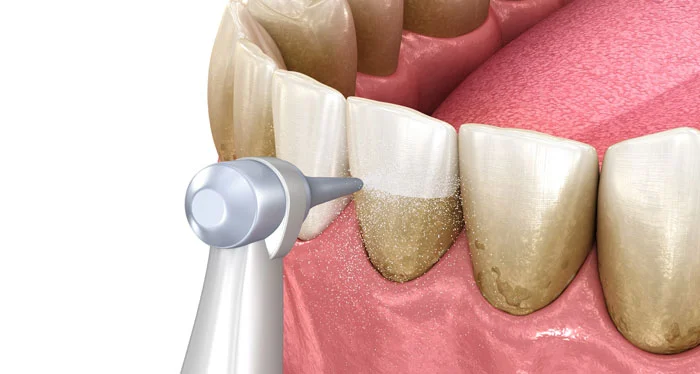
Based on your dental records, examining your oral cavity and asking you a series of questions, the dentist is in the best position to assess the likely root causes for your bad breath issues and deal with them systematically. Depending on your specific condition, our dentist will use one or a combination of therapies to directly deal with the problematic areas. Treatments include Professional scaling and cleaning; activating an oral hygiene program; natural remedies; prescribing medication or oral cleaning device, etc.
What Can I Do to Prevent Halitosis?
It is quite normal to have occasional bad breath but a chronic case of halitosis needs to be thoroughly dealt with. If you have concerns, the best thing to do is to go for a proper evaluation at a dental clinic. This will allow the dentist to identify the underlying issues responsible for triggering the bad breath episodes, and recommend a suitable remedy.
To avoid the majority of bad breath issues, here are some of the things that you should be practicing right now as preventive measures:
Oral hygiene
Are you brushing two times a day and flossing regularly? Do you use an anti-bacterial mouthwash at least once a week or after consuming foods that cause bad breath? Do you use a tongue scraper regularly to remove the coating on your tongue? These routine habits form the bedrock of good oral hygiene.
Dental visits
While at-home cleaning regimes are important, brushing and flossing are not enough to remove all the plaque and tartar in your mouth. To stay on top of your oral health, you should not neglect visiting your dentist at least twice a year for a check-and-clean session.
Quit smoking
Tobacco products are notorious for causing bad breath so if you can quit smoking, this will help a lot.
Drink plenty of water
Keeping your mouth moist and hydrated helps to flush out odour-causing bacteria.
You can’t prevent Bad Breath until you know what’s causing it.
To take the guesswork out of Bad Breath diagnosis and treatment, call our friendly team at Molonglo Dental Surgery on 02 6287 1222.
Signs of Bad Breath
At Molonglo Dental Surgery, our Canberra dentists have a wealth of experience in Bad Breath Treatment. Our dentists have the right knowledge, sensitivity and understanding to help you overcome what can be a potentially embarrassing problem.
Halitosis, or bad breath, can occur even if our oral hygiene standards are quite high. If you suspect that you or someone you know may have bad breath, but are not sure, there are several tell-take signs to look out for.
Root canal
A root canal infection can cause patients to have chronic bad breath. If the odour persists even after brushing, flossing and using mouthwash, you may have an infection.
The bad smell is produced by the bacteria that cause root canal infections. Root canal patients often develop a bad breath and a foul taste in the mouth. The presence of a dental abscess can further exacerbate this problem.
Dry Mouth
Xerostomia, also known as dry mouth, usually occurs when your saliva production slows down – the root cause generally being dehydration.
Your saliva is an important oral component that flushes away the bacteria and food debris in your mouth. When your saliva production depletes, it can result in the bacteria and debris decomposing in your mouth, leading to an unpleasant smell.
Xerostomia may result in a sore and raspy throat. You will also have a persistent thirst that cannot be quenched. Some medications can also cause dry mouth. Other culprits include: Stress, anxiety, smoking and mouth breathing.
Diseases
Bad breath may also be a symptom of certain medical conditions, including: diabetes, lung diseases, kidney or liver problems, bronchitis, pneumonia, tonsillitis and sinus problems, etc. If repeated trips to your dentist are unable to address the cause of halitosis, a general medical check-up is highly recommended.
Foods
Certain types of foods that produce a strong smell such as garlic or onions tend to remain in the system until they are completely flushed out. Although they add flavour to your meals and are known for their health benefits, the sulphur-containing compounds can linger in your breath for hours, resulting in what has been called “garlic breath”.
Tongue hygiene
If you see a white coating on your tongue, or if it looks parched dry, this could be the result of halitosis. In that case, regular tongue cleaning is highly recommended. Visit your dentist to see what solutions are available for tongue cleaning. In the meantime, you can also get a tongue scraper or a toothbrush that has a tongue cleaner on the flip side.
People’s reactions
Definitely not the most reliable way to find out whether you have bad breath, but it is often the only way people find out. If someone you’re talking to cringes or backs away, and this happens on more than one occasion, it may be a good idea to visit your Canberra dentist to check if you have halitosis.
Dental problems
Although not the sole reason as some might believe, this may be the biggest contributing factor. Whether you have cavities, plaque, gum disease or dirty dentures, all dental issues can cause your breath to smell.
The good news is, good oral care coupled with regular twice-yearly visits to the dentist can generally take care many bad breath issues.
Need trained and experienced dentists to administer Bad Breath Treatment in Canberra?
Call our friendly team at Molonglo Dental Surgery in Canberra for Bad Breath Treatment on 02 6287 1222.
Explore more Treatments
Let’s help you get to the right place, these Molonglo services are closely connected.



Frequently Asked Questions
While brushing is a crucial part of oral hygiene, it’s often not enough to prevent bad breath, also known as halitosis. That's mainly because your toothbrush cannot reach the tight spaces between your teeth, where bacteria and food particles love to hide. If you want to keep halitosis at bay, you will also need to practice daily flossing and tongue scraping. If you’ve tried everything and the odour persists, it might be a sign of something more serious. Other underlying dental conditions – such as gum disease or chronic dry mouth – can create the perfect breeding ground for smelly bacteria, and they won’t go away with brushing alone.
Yes. In fact, gum disease is one of the most prevalent causes of bad breath. When gum disease progresses to periodontitis, it creates deep pockets between your teeth and gums. These pockets become a playground for anaerobic bacteria, which release sulphur compounds that smell like rotten eggs. If your bad breath is persistent despite your best efforts at brushing and flossing, or if your gums are bleeding, swollen, or pulling away from your teeth, it’s time to see a dentist – fast.
Let’s be honest, not many people will tell you that you have bad breath as it's not the most polite thing to say. But there are a few ways to check. One of the most popular self-testing methods is lick your wrist, let it dry, then smell it. While that can give you a rough idea, it’s not foolproof. The more reliable method would be to ask someone you trust, or better yet, book a professional oral check-up. Dentists are trained to detect odour sources you might miss, like hidden decay or infected gums.
Yes. Drinking water has to be the easiest fix around for little to mild halitosis. Saliva is said to be your mouth’s natural cleaning agent, for the simple fact that dehydration reduces saliva production. The water helps wash away bacteria and food particles, keeping your breath fresh. A good daily practice that keeps bad breath at bay is to sip water throughout the day, especially after meals. If you’re prone to dry mouth, keep a water bottle handy.
It depends. Many over-the-counter mouthwashes contain alcohol, which might feel refreshing initially but ultimately dries out your mouth – which worsens your bad breath in the long run. Instead, you could opt for alcohol-free, antibacterial rinses with ingredients like chlorine dioxide or zinc. These neutralise odour-causing bacteria without stripping your mouth of moisture.
It’s possible, although not very common. While most cases of halitosis originate in the mouth, conditions like acid reflux (GERD) emanate from one's stomach. When stomach acid backs up into your oesophagus, it can leave a sour, unpleasant smell. If you suspect your bad breath is stomach-related, our experienced dentist can help you rule out oral causes and refer you to a GP if needed.
A standard check-up, clean, and hygiene plan starts at $190. If gum disease is present, a deep cleaning – including scaling and planing – may be required. Deep cleans cost between $350 and $600 per session.
At Molonglo Dental Surgery, we focus on long-term solutions because quick fixes are often just masking the symptoms. Our team of dental experts offers judgment-free, thorough care to tackle the root cause of your bad breath.