
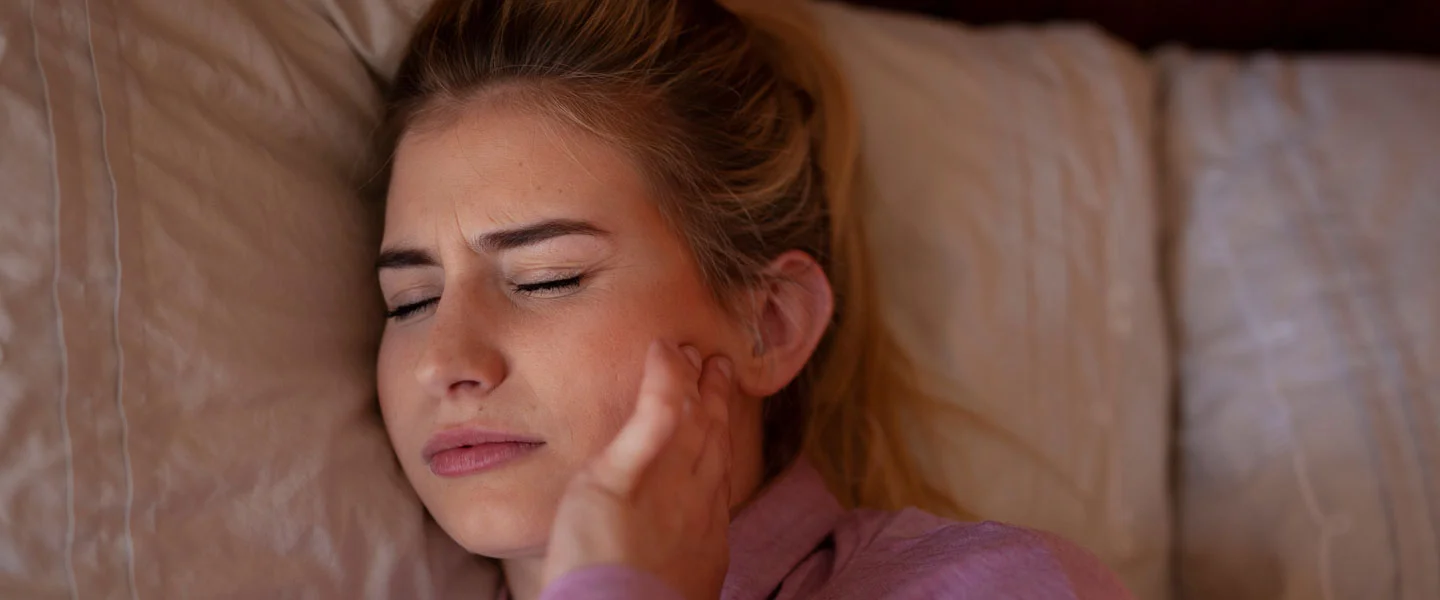
Do you wake up with a sore jaw, a dull headache, or teeth that feel oddly sensitive? Has your partner mentioned a grinding noise in the night, or your dentist pointed out wear on your teeth that you can’t explain?
If any of that sounds familiar, it is quite possible that you grind or clench your teeth in your sleep without realising it.
The good news is that this is both common and very manageable once it’s identified. Also known as bruxism, teeth grinding and clenching is one of the most under-diagnosed sleep-related conditions we see — and it responds well to simple, non-surgical treatment.
Let’s take a look at what bruxism does to your teeth and jaw, what causes it, and how we go about assessing and treating it here in Molonglo Valley.
What is bruxism?
Bruxism is the unconscious grinding or clenching of teeth. It most commonly occurs during sleep, though some people also clench during the day, particularly under stress.
Because it happens while you’re unaware of it, bruxism can quietly do years of damage before anyone notices. Many people who grind their teeth have no idea they do so, which means it is usually a well-established habit by the time it is diagnosed. The common tell-tale signs are eroded tooth enamel or deep recesses along the edges of the tongue.
In more serious cases, jaws can move out of alignment, or teeth can be worn down towards their stumps.
How do I know if I grind my teeth?
Since it happens while you sleep, the evidence usually shows up in the morning. Look for:
Jaw pain or stiffness on waking
Particularly a tight, fatigued feeling in the muscles at the side of your face.
Frequent headaches
Often dull, and often worst first thing in the morning.
Tooth sensitivity
Caused by enamel that has been worn thin.
Visibly worn, flattened or chipped teeth
Your dentist will often spot the characteristic wear pattern long before you do.
Clicking or tender jaw joints
Especially when opening or closing your mouth.
Grinding noises at night
Usually reported by a partner rather than noticed by you.
Daytime clenching
Become aware of your jaw’s position in stressful situations. Are your teeth touching? Are the muscles around your jaw tight?
If several of these sound familiar, it’s well worth having it looked at.
What causes teeth grinding and clenching?
There is rarely a single cause. In most patients, bruxism is driven by a combination of factors:
Stress and anxiety
By far the most commonly identified trigger, and the reason many people notice their grinding worsens during difficult periods.
Sleep disorders
Bruxism frequently occurs alongside snoring and obstructive sleep apnoea.
An uneven bite
Where the upper and lower teeth don’t meet comfortably, the jaw may grind in search of a resting position.
Lifestyle factors
Caffeine, alcohol and smoking are all associated with increased grinding.
Certain medications
Some antidepressants and stimulants list bruxism as a side effect. Never stop a prescribed medication without speaking to your doctor.
Identifying the underlying driver matters, because it shapes the treatment. Protecting your teeth is one half of the job; understanding why the grinding is happening is the other.
The risks of leaving bruxism untreated
It’s important to note that not every case of bruxism causes significant problems. That said, the majority of untreated cases will eventually result in some form of dental or health issue.
Left untreated, excessive grinding can damage existing dental work, including crowns, bridges and implants. It can cause cracks, chips and fractures in both natural and prosthetic teeth. The forces involved are considerably greater than those of normal chewing — your teeth are essentially working the night shift without your permission.
In more serious cases, bruxism can contribute to headaches, an aggravated TMJ disorder, cheek soreness, jaw pain, and over time, changes to the appearance of the lower face.
The reassuring part is that all of this is preventable. Protecting your teeth is far easier — and far less expensive — than replacing them.
What is the Relationship Between Teeth Clenching and TMJ?
TMJ can be described as a pain-causing alteration in the normal functioning of the jaw joints. Teeth clenching and grinding is often cited as the main cause of temporomandibular joint dysfunction (TMJ or TMD), which is why many TMJ treatments focus on remedying bruxism.
Whether deliberate, habitual or part of a sleep disorder, teeth grinding involves the abnormal and excessive use of the masseter muscle. The masseter is one of the strongest muscles in the body for its size, and it is built to generate substantial force for chewing.
During grinding, that force is applied not to food but to the opposing set of teeth. This is highly destructive over time and may even alter the alignment and shape of your mouth.
The three most common TMJ problems are:
Myofascial pain
A chronic pain disorder also known as referred pain. It occurs when pressure on sensitive points in your muscles causes pain in seemingly unconnected parts of the body. Symptoms can include headache, stress, anxiety and chronic back pain.
Internal derangement
An abnormal position of the articular disc, the small cushion that sits between your jaw and skull. The disc normally cushions biting forces and allows the jaw to open and close with ease. When it sits abnormally, the normal range of motion is restricted, sometimes limiting how far the mouth can open. Patients often report a clicking sound in the jaw when opening or closing.
Osteoarthrosis
A degenerative disorder mainly affecting the disc cartilage of the jaw joint. Damaged cartilage can impair the joint’s normal function.
Diagnosis and treatment of TMJ disorders is complex and usually requires a multidisciplinary approach. This is precisely why it matters that your dentist addresses the underlying causes, including teeth grinding and clenching.
How we assess teeth grinding at Molonglo Dental Surgery
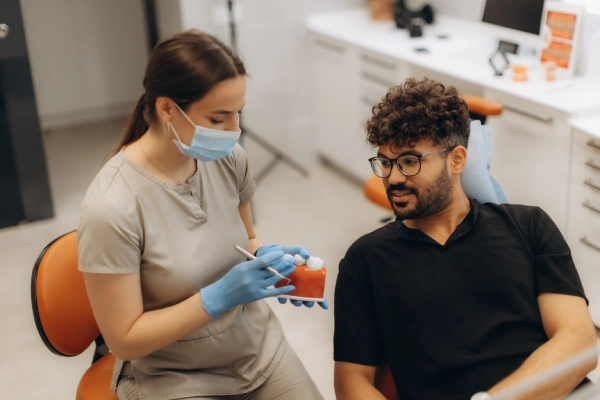
We begin with a review of your teeth and jaws, checking for the signs and symptoms that establish whether you have the habit — and if so, to what extent.
Beyond looking for fractures, tooth wear and sensitivity, your dentist will ask about your dietary and sleeping habits as well as your medical history. Bruxism rarely exists in isolation, so the context matters as much as the wear pattern.
From there, your dentist is well placed to determine whether to prescribe a suitable therapy or refer you for further investigation. A sleep study may be recommended where a sleep disorder is suspected. An X-ray may be recommended if a jaw disorder is suspected. Where stress or anxiety appears to be the trigger, working alongside a therapist can be an important part of the picture. And where the problem relates to misaligned teeth, corrective dental work may be appropriate.
How is teeth grinding treated?
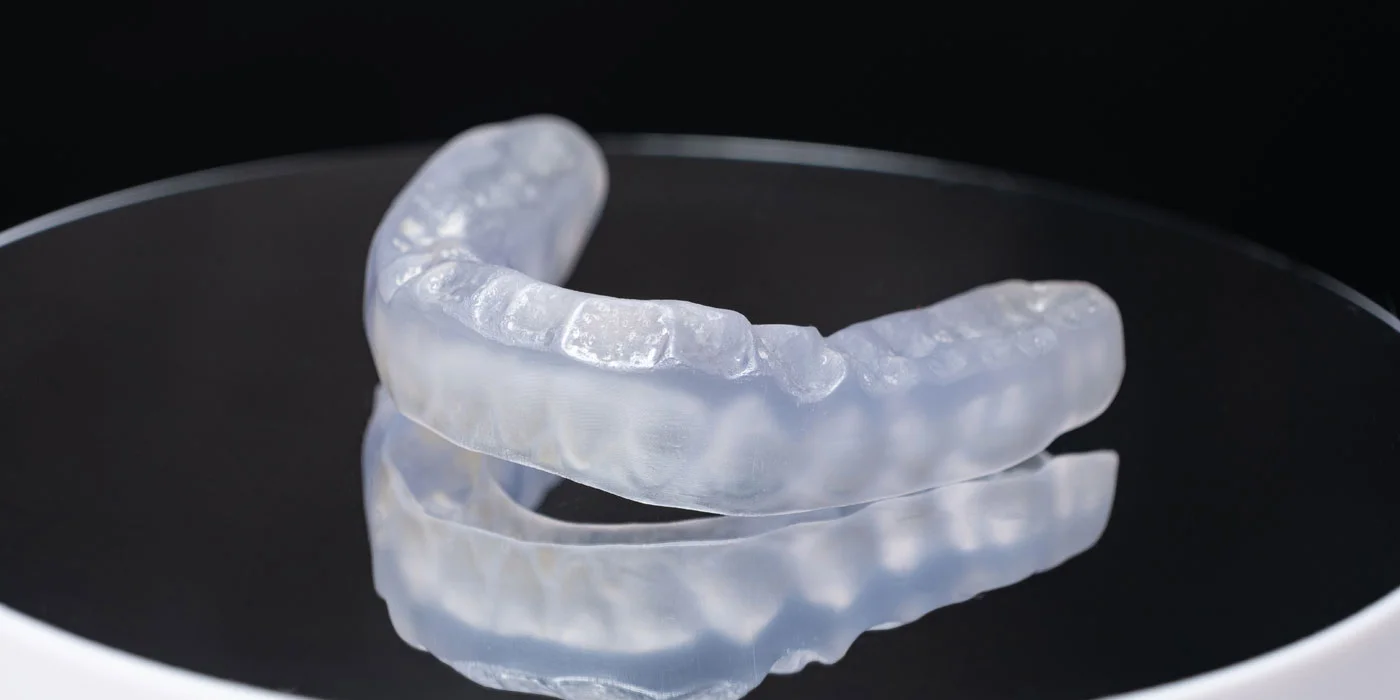
For the majority of cases, treatment consists of a prescribed custom splint or night guard. Worn during sleep, these therapeutic oral devices relieve the discomfort, pain and wear caused by teeth grinding and clenching. You can read about them in detail on our Occlusal Splint (Night Guard) page.
Alongside an appliance, we may also recommend:
Managing the trigger
Stress management, improved sleep habits, and reducing caffeine and alcohol, particularly in the evening.
Anti-wrinkle injections into the jaw muscles
For suitable patients, these can reduce excessive muscle activity, easing clenching and the headaches associated with it.
Correcting the bite
Where an uneven bite is a contributing factor, restorative or orthodontic treatment may help.
Repairing existing damage
Worn, cracked or chipped teeth may need bonding, crowns or other restorative work once the grinding is under control.
Is treatment right for you?
If you recognise the morning-after signs — jaw ache, headaches, tooth sensitivity, that tell-tale tightness — an assessment is well worth your time. Bruxism doesn’t tend to resolve on its own, and the damage it causes is cumulative and permanent.
The earlier it’s picked up, the less there is to repair. With evening and weekend appointments at our Coombs practice, and payment plans available through AfterPay and Ezi-Pay, there’s no need to put it off.
Why not book an assessment and find out where you stand?
Explore more Treatments
Let’s help you get to the right place, these Molonglo services are closely connected.


Frequently Asked Questions
Start by becoming aware of your daily habits and your jaw’s position in stressful situations — are you clenching, or are the muscles around your jaw tight?
If you wake with soreness, tension, headaches or tooth sensitivity, those morning signs strongly suggest overnight grinding. Your dentist can also spot the characteristic wear patterns during a routine check-up, often well before you’ve noticed anything yourself.
Stress and anxiety are the most commonly identified triggers, but bruxism is also associated with sleep disorders such as obstructive sleep apnoea, an uneven bite, certain medications, and lifestyle factors including caffeine, alcohol and smoking.
Most patients have more than one contributing factor, which is why we take a full history rather than simply treating the symptom. Rest assured, we’ll talk it through properly at your assessment.
Yes. Teeth clenching and grinding is often cited as the main cause of temporomandibular joint dysfunction. The repeated, excessive loading of the jaw joint over months and years can lead to myofascial pain, internal derangement of the joint’s cushioning disc, or degenerative changes to the joint cartilage.
If you’re experiencing jaw clicking, restricted opening or facial pain, mention it when you book — these symptoms warrant a proper assessment.
Managed is a more accurate word than cured. Because bruxism is usually driven by underlying factors such as stress or a sleep disorder, treatment focuses on protecting your teeth from the forces involved while addressing the trigger where possible.
For many patients, a custom splint combined with attention to the underlying cause brings symptoms under control very effectively. The damage already done doesn’t reverse on its own, however, which is why early assessment matters.
Left untreated, grinding wears enamel down progressively and can crack or fracture both natural teeth and existing dental work such as crowns, bridges and implants. It can also contribute to jaw pain, muscle fatigue, morning headaches and TMJ disorders.
Because enamel does not grow back, the wear is permanent. A tooth that fractures from years of grinding may need a crown, which costs considerably more than the appliance that would have protected it.
Yes, and it’s quite common — many children grind their teeth at some stage, often during periods of change in their developing dentition. In most cases it resolves on its own without treatment.
That said, if your child is grinding heavily, waking with jaw pain, or showing noticeable wear, it’s worth having it assessed. Grinding in children can occasionally be associated with airway issues or an uneven bite, both of which are worth identifying early.
No. Over-the-counter guards fit loosely, wear through quickly and offer far less protection. Some can even alter your bite over time.
They should also not be confused with sports mouthguards, which are designed to absorb impact rather than withstand sustained grinding forces. A custom-made, dentist-prescribed splint is fabricated to your precise measurements from materials chosen to endure the bruxing action.
Most cases are treated with a custom-made occlusal splint, fabricated at a dental laboratory to your exact measurements from digital impressions.
Depending on what’s driving your grinding, we may also discuss stress and sleep management, anti-wrinkle injections into the jaw muscles for suitable patients, bite correction, or repair of teeth already damaged by wear. Your treatment plan and its costs are explained in full before anything begins.