

At Molonglo Dental Surgery, we believe in preventative care as the first line of defence against any potential dental ailments. As part of our active oral care and maintenance program, we offer dietary advice to people of all age groups, to help foster positive eating patterns that lead to strong, beautiful and healthy teeth and gums for life.
Besides providing some helpful advice about nutrition to people who find themselves prone to getting cavities and tooth decay – two of the biggest dental ailments – we also make use of well-researched dietary information to help our patients fight gum problems, which has been linked to many general health issues, including diabetes and stroke.
If you are looking for a professional dental partner on your dietary journey to better dental and oral healthcare, look no further than Molonglo Dental Surgery.
To book an appointment with our Friendly Dentist in Molonglo Valley, contact Molonglo Dental Surgery at 02 6287 1222.
How Your Diet Affects Your Dental Health
The food you consume passes through the mouth. The bacteria in your mouth feed on the sugar and carbohydrates. The more food you eat that contains sugar and carbohydrates, the more the bacteria gets fed – and grows in your mouth.
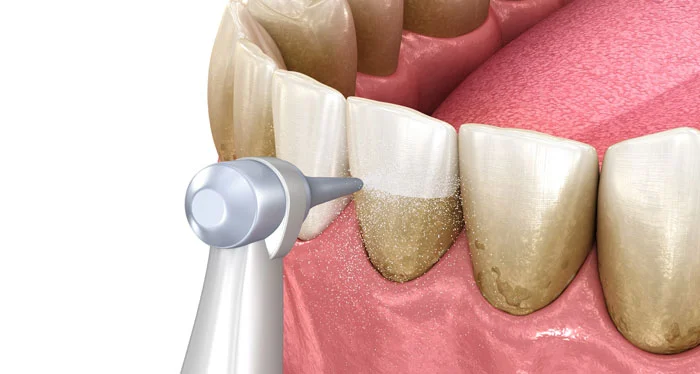
From the bacteria feeding on the sugar and carbohydrates is a leftover acid residue known as plaque. If you don’t clean your teeth after every meal, it doesn’t take long for plaque to get busy on destroying your tooth enamel.
It is therefore safe to conclude that people with large amounts of plaque build-up: Do NOT regularly clean their teeth and gums after meals; consume food and drinks that contain excessive sugar and carbohydrates; or both.
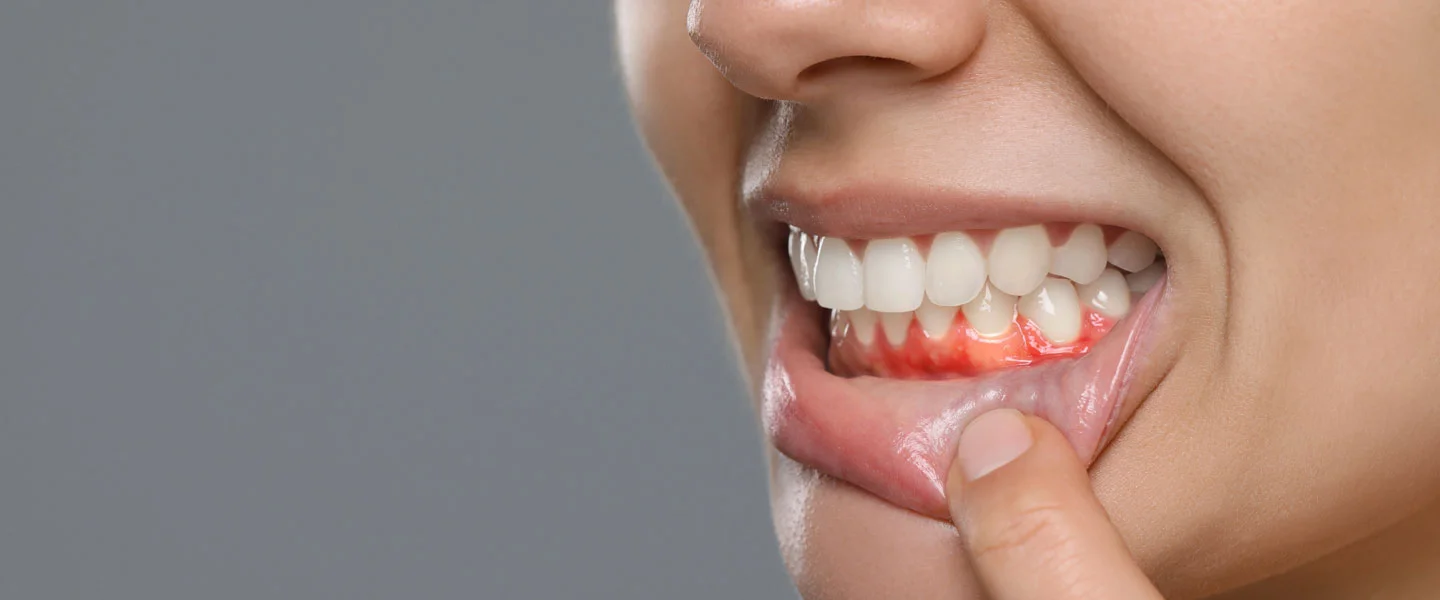
The two most common oral diseases are Tooth Decay and Periodontal Disease (gum disease), both of which are closely linked to your eating habits. Both diseases occur as the result of oral bacteria creating acid that destroys your tooth enamel – attacking the hard and soft tissues inside your mouth. If not directly attacking your tooth enamel, it’s like they are directly attacking the supportive tissues surrounding your teeth, leading to gum problems.
To avoid plaque build-up and oral bacterial attacks, you will need to eat foods that result in lower acid production, not to mention properly cleaning your teeth after every meal.
Eat Your Way to Better Health
Here we provide you with two lists: The types of food to avoid eating and those that are good for your teeth and gums.
Food to avoid
Sugary Foods
As mentioned, the bacteria in our mouths feed on sugar and create plaque.
Processed Foods
Processed foods contain additives – including refined sugars, oils, and processed white flour – that can be bad for your teeth.
Packaged Foods
Their shelf life is sustained using a range of chemicals and additives to make them last longer. These elements can hinder your body’s natural ability to absorb the nutrients your teeth and gums need.
Food That Are Good for Your Teeth and Gums
Fruits: They provide a lot of healthy nutrients that we all need, but it’s important to note that fruits contain fructose, which is still sugar, so make sure to clean your teeth after consumption.
Vegetables: Leafy greens, celery and carrots can positively impact your oral health. Greens provide calcium and vitamin B that boosts the health of tooth enamel. Celery is particularly good for your gums.
For more information about a healthy diet for teeth and gums, book an appointment with our Friendly Dentist in Molonglo Valley – contact Molonglo Dental Surgery at 02 6287 1222.
Explore more Treatments
Let’s help you get to the right place, these Molonglo services are closely connected.

Frequently Asked Questions
Sugar itself doesn’t cause cavities in your teeth, but it’s the favourite food of harmful oral bacteria that do. These microscopic pests feast on sugar and churn out an acidic byproduct that eats away at your protective enamel. As far as your dental health is concerned, it does not really matter the amount of sugar you consume, rather how often you’re dosing your teeth with it. As such, your teeth are far more at risk if you were to sip on a sugary drink all day as opposed to consuming a whole block of chocolate in one go.
No. Please do not be misled by the ‘sugar-free’ label. Many of these drinks, particularly diet sodas, are loaded with acids that can be just as damaging as actual sugar. When you’re thirsty, In short, nothing beats plain old water when you're thirsty. Nature's drink also happens to be your tooth’s best mate.
Yes it can. During the initial stage of tooth decay, also known as 'demineralisation', your teeth can actually heal themselves. This happens through remineralisation, where your body rebuilds the weakened enamel using minerals like fluoride and calcium. That is why cutting back on acidic foods and drinks gives your teeth a fighting chance to repair themselves – but only if you do it early enough, before the decay worsens.
There are essentially two sides to your dental diet: The good and the bad. The choices that will help boost the health of your teeth and gums: Crunchy vegetable (like carrots, celery sticks, etc.) act like natural toothbrushes, clearing your plaque as you chew; dairy products (eg. cheese, plain yoghurt, etc.) are packed with calcium and casein, and they help to strengthen enamel and neutralise acids; leafy greens (eg. spinach) are loaded with vitamins and minerals that keep your gums healthy and happy. On the other side of the equation are the foods to avoid: Sticky snacks (eg. lollies, dried fruit, etc.) cling to every surface, potentially feeding bacteria for hours; starchy foods (eg. potato chips, white bread, etc.) can get stuck in your teeth, breaking down into sugars that fuel decay; and citrus fruits – while healthy, their high acid content can soften enamel when you over-indulge on them.
Yes. Water is the unsung hero behind every beautiful smile. It rinses away food particles and dilutes harmful acids after you eat. On top of that, Canberra’s tap water contains fluoride, better known as nature’s cavity fighter. Drinking fluoride-added water helps to strengthen your enamel and make it more resistant to decay.
Yes. At Molonglo Dental Surgery, we don’t just fix dental problems – we actively prevent them. Our experienced dental team will work with you to create a personalised eating plan that fits your lifestyle, budget and preferences.
At Molonglo Dental Surgery, we believe that the mouth acts as the gateway to your entire body. That's why we’re passionate about whole-person dentistry. We combine regular cleanings, fluoride treatments, sealants, and nutritional guidance to keep your smile healthy for the long haul. Your next meal really does matter to your dental health, and by extension the rest of your body. We’re here to help you make the right choices.