

When it comes to dental care, many people focus solely on the teeth. In truth, your gums play just as critical a role. Your gum tissues are not simply the foundation of your oral health. Neglecting them can have consequences that go far beyond your mouth.
More commonly known as gum disease, periodontal disease is one of the most prevalent health conditions worldwide. The good news is, it is also one of the most preventable. Let’s explore what periodontal care really means, and how you can keep your gums healthy to avoid the serious complications that can result from gum neglect.
Understanding Periodontal Disease
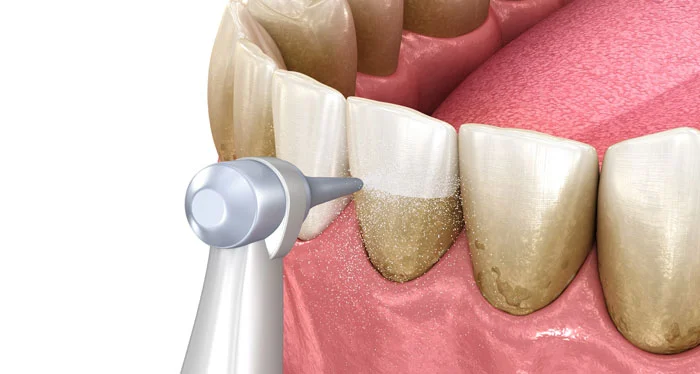
Your mouth is home to millions of bacteria. While most of them are harmless, some are beneficial, and a few are potentially harmful. When the bacteria combine with the food particles and mucus in your mouth, they form a sticky film known as plaque. If the plaque isn’t removed, it hardens into tartar (also called calculus) over time. Lodged firmly between your teeth and gums, tartar cannot be removed by brushing or flossing alone. It requires professional cleaning by your dentist or hygienist. Even worse, the bacteria in plaque and tartar can trigger an inflammatory response in your gums. When that happens, gum disease begins to take root.
It starts with gingivitis, the early stage of gum disease. Gingivitis is characterised by red, swollen gums that bleed easily when you brush or floss. Left untreated, gingivitis can progress to periodontitis. This advanced stage of gum disease strikes when the infection is allowed to spread below the gum line. Periodontitis would eventually destroy the bone and connective tissue that hold your teeth in place – resulting in loosened teeth and even bone loss.
The Silent Progression
Many people do not realise that they have gum disease until it’s too late or when significant damage has occurred. This is mainly because the early stages of gum disease often develop without any signs or symptoms. If there are any, they tend to be subtle or painless, which makes it easy to overlook. The most common signs and symptoms are: Bleeding gums (especially when you brush); darker shade of gums than usual; persistent bad breath. These are typical early warning signs that should not be ignored.
Symptoms become more noticeable as periodontal disease progresses. They include: Receding gums that make your teeth look longer; increased sensitivity; loose teeth; changes in your bite. However, significant damage may already have occurred when these signs begin to surface.
The Systemic Connection
Medical research has revealed something sobering in recent years: The bacteria that cause gum disease can enter your bloodstream and travel throughout your body. This discovery points to the potential health problems that begin in your gums, that could gradually affect other organs while exacerbating existing medical conditions.
These studies link periodontal disease to serious health conditions including:
- Heart disease
- Stroke
- Diabetes
- Respiratory disease
- Complications during pregnancy
While more research is required to fully understand these connections, the evidence overwhelmingly suggests that your oral health and overall health are intimately linked. As such, periodontal care isn’t just about saving your smile. It is also about protecting your overall health.
Effective Periodontal Care
The foundation of periodontal care is prevention. Prevention starts at home with these routine oral care habits:
- Brush your teeth twice daily using a soft-bristled toothbrush and fluoride toothpaste
- Brush your gums using gentle circular motions along the gum line
- Floss daily to remove plaque and food particles from building up between your teeth and below the gum line
Finally, there is no substitute for twice yearly professional dental cleanings. Even a well-maintained at-home oral hygiene regime is unable to prevent plaque from hardening into tartar. Regular cleanings with your Canberra dentist is recommended to remove this tartar before it can cause serious damage.
Concerned about your gum health? Book your periodontal assessment with Molonglo Dental Surgery today. Call 02 6287 1222 or visit us in Coombs, Molonglo Valley.
Explore more Treatments
Let’s help you get to the right place, these Molonglo services are closely connected.



Frequently Asked Questions
At Molonglo Dental Surgery, we provide comprehensive periodontal care tailored to your specific needs.
For early-stage gingivitis, we offer professional cleaning that complements your home care cleaning. For more advanced periodontitis, we offer scaling and root planing. It is a deep cleaning procedure that removes plaque and tartar from below the gum line while smoothing the tooth roots to help gums reattach. For more severe cases, we may refer you to a specialist periodontist. Our expert team will thoroughly assess your gum health and create a personalised treatment plan.
Our dentist recommends twice yearly professional cleanings for most patients. However, the frequency of visits may increase (perhaps every three to four months) depending on whether you: have a history of gum disease; are at higher risk; or have certain health conditions like diabetes. At Molonglo Dental Surgery, we carefully evaluate your specific health condition and risk factors before recommending a suitable cleaning schedule.
Bleeding gums often present as the first sign of gingivitis. The bleeding may occur due to inflamed gums, which are more fragile and sensitive. While it might seem intuitive to avoid these tender areas, the solution is often to improve your brushing and flossing technique. If persistent bleeding occurs, always consult your dentist as he or she would be in the best position to rule out other causes and determine the appropriate treatment.
Scaling and root planing is a deep cleaning procedure for treating gum disease. Scaling is designed to remove stubborn plaque and tartar from above and below the gum line. This type of cleaning reaches deep into the pockets that have formed between your gums and teeth. Root planing smooths the tooth roots and helps your gums to reattach, making it harder for bacteria to accumulate. The root planing procedure is typically performed under local anaesthetic to ensure your comfort. Many patients require only one or two visits to complete the scaling and root planing treatment.
Yes. At Molonglo Dental Surgery, we are committed to making your experience as comfortable as possible. This is especially important for nervous patients or those dealing with dental anxiety.
We offer various pain-free options including:
- Modern anaesthetics that work quickly and effectively
- Gentle techniques that minimise discomfort
- Sedation options for anxious patients.
Rest assure that our gentle and caring team would always take the time to ensure that you are completely comfortable before beginning any procedure. Do not let the fear of pain prevent you from getting the periodontal care you need.
Everybody deserves access to quality periodontal care. That is why we offer flexible payment plans through AfterPay and Ezi-Pay.
During your visit, let our friendly team assist you with payment options and help you find a solution that fits your budget. Our conveniently located Coombs clinic in Molonglo Valley is open evenings and weekends. We are further committed to make your dental care more accessible by fitting it into your busy schedule, and not the other way around.