
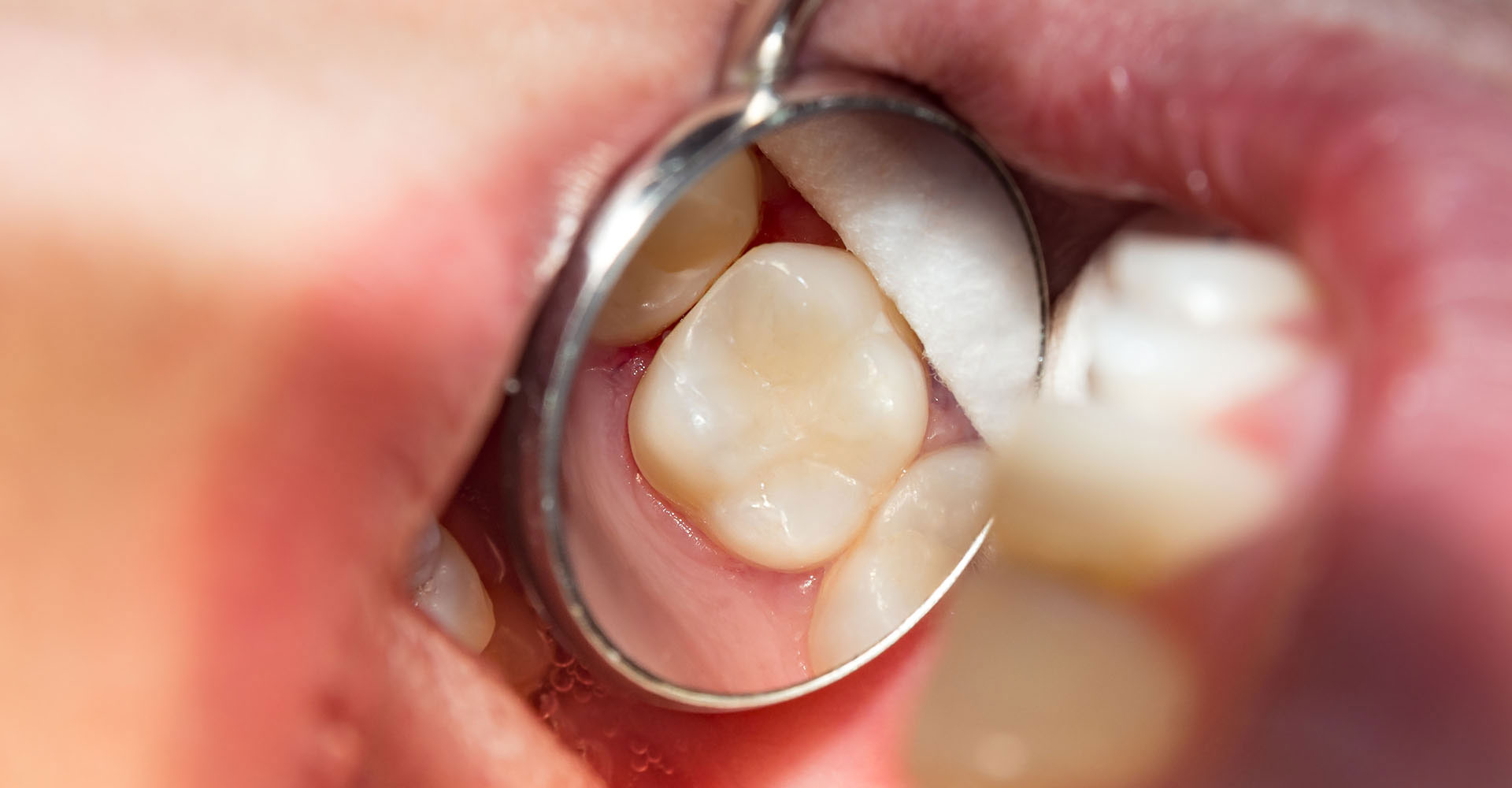
If the dentist has found a small cavity in your mouth, the best solution to address the dental issue is with a dental filling. In the past, the dentist would place a silver-coloured material known as an amalgam filling onto the tooth to fill the cavity and protect it from further deterioration. Advances in dental technology and in materials sciences have produced more modern alternatives to amalgam fillings. White tooth fillings, or composite fillings as they are sometimes known, are increasingly favoured as a tooth filling material due to its aesthetic and non-metal properties.
Unlike amalgam fillings that look unsightly in the mouth – due to its dark silver colour that appear in stark contrast to neighbouring teeth – composite fillings are able to blend in seamlessly with the rest of your teeth, while helping to restore the natural appearance of your smile.
Using new generation materials like Synthetic Resin or Composite, White fillings not only produce the most aesthetic results, they also allow the least invasive filling method. A trusted filling material of choice for many dentists, Composite Fillings are also considered to be safe as they are free from health concerns surrounding the use of mercury fillings.
Benefits of White Fillings
The three main benefits of White Fillings are:
Aesthetic Beauty
As mentioned, the silver appearance of amalgam fillings resembles a dark spot that sharply contrasts with the other teeth. That is why some dentists only use amalgam fillings when the affected teeth are hidden from view in the back of the mouth. White fillings, by comparison, offer a far more aesthetic option, especially when used to fill cavities in the front teeth. The tooth-coloured material of White Fillings makes them virtually undetectable in your mouth. In fact, an experienced cosmetic dentist can make the repaired tooth look like your natural tooth to seamlessly regain your beautiful smile.
Less tooth reduction required
Another great advantage of white fillings lies in the direct bonding method used to place them. Unlike the placement of amalgam filling that utilises the mechanical retentive properties of the preparation to adhere the material to the tooth, the direct bonding method allows a less onerous procedure for both dentist and the patient. The tooth reduction necessary at the preparation stage is also greatly reduced as compared to the amalgam filling placement procedure. With the direct bonding method, the dentist is able to better preserve your existing tooth structure.
Less tooth sensitivity
Being composed mainly of metallic materials, amalgam restorations are prone to contractions and expansions when exposed to fluctuating temperatures in the mouth – typically caused by eating and drinking foods and beverages that are extremely hot or cold. By comparison, white fillings significantly reduce the probability of tooth sensitivity.
While it is true that initial versions of white fillings suffered from tooth sensitivity issues, mainly caused by the etching process, it should also be noted that vast improvements have been made to the quality of the material to eliminate the etching process and solving the initial marginal leakage issues.
No mercury content: Mercury is a toxic substance that makes up a large portion of an amalgam filling (in terms of percentage of weight). As a dental material that once placed in your mouth can remain there for many years, using the mercury-filled restorative material has come under intense scrutiny by both the dental community as well as the general public. Although in very minute quantities, the potentially harmful mercury vapours may be released into the mouth or break down through grinding and chewing, as such, presenting a questionable health issue. Over time, the presence of these tiny particles of highly toxic substance through the placement of amalgam fillings have raised many questions and remains a controversial subject.
As such, some people who have had amalgam fillings placed have undergone safe amalgam removal process to replace them with the more aesthetic – and less worrisome – composite fillings.
Explore more Treatments
Let’s help you get to the right place, these Molonglo services are closely connected.




Frequently Asked Questions
The only way to know if you need a filling is to visit your dentist for a consult and examination. There are also certain signs and symptoms that you should be looking out for: Tooth sensitivity when eating hot/ cold foods and beverages; visible holes or dark spots on your teeth; pain when biting down; or getting food stuck in the same spot between teeth. The trouble is, cavities sometimes develop without giving any warning signs, particularly in their early stages. This is why it is important to visit your dentist every six-months for a dental check-up at our Canberra practice. We can detect cavities while they’re still small and easily treated with simple fillings. If the cavities become larger, they would likely become more painful, and require more extensive treatment.
The cost of a dental filling in Canberra typically range between $150 and $350. The final price you pay is determined by several key factors: Location of the tooth in your mouth; size and depth of the cavity; material of choice.
Some tooth sensitivity after a filling is completely normal and usually temporary. The sensitivity typically goes away within a few days to a couple of weeks. Tooth sensitivity typically occurs due to hot or cold temperatures, sweet foods, or when biting down. If the sensitivity does not improve after two weeks, please contact our Canberra dental practice. In the unlikely event that this occurs, the filling may require further adjustment. If the sensitivity persists, do not hesitate to call us. We’re here to help.
Never ignore persistent dental pain – it’s your body’s way of telling you something needs attention. While mild discomfort is normal after a filling, do not put up with pain that lingers on for days. Several factors could cause post-filling pain: The position of the filling is making your bite uneven; the cavity is located too deep and close to the nerve, which can cause temporary inflammation; referred pain from a different tooth or sensitivity in the surrounding gum tissue. Whatever the reasons, if you’re in pain after a filling that lasts more than a few days, contact Molonglo Dental Surgery immediately.
Prevention is better than treatment. To reduce your risk of cavities and future fillings, do the following: brush your teeth twice daily and floss once a day; limit your intake of sugary and acidic foods and drinks; drink plenty of water throughout the day to help wash away food particles and bacteria,. Also, visit your Canberra dentist every six months for check-ups and professional cleaning. These appointments allow us to detect early decay and remove plaque and tartar build-up before they cause problems. For young children, consider getting dental sealants as they help to protect the little ones' teeth at a stage when their dental health is most vulnerable.
Yes. Many patients choose to replace their old silver amalgam fillings with modern white composite fillings for both aesthetic and health reasons. This process involves safely removing the old filling and replacing it with tooth-coloured composite material that blends naturally with your smile. At Molonglo Dental Surgery, we follow strict protocols for safe amalgam removal, using special techniques to minimise any mercury exposure during the process.