Uncover the hidden causes behind chipped teeth, from bruxism to dietary habits, and arm yourself with preventive knowledge.
Accidents can happen, and when they involve your teeth, it's crucial to know how to address a chipped tooth. Whether it's a result of a sports mishap, biting into something hard, or issues with dental restorations, a chipped tooth requires attention. In this guide, we'll explore the nuances of chipped teeth, offering insights into what to do when faced with this dental concern.
Understanding the Nature of a Chipped Tooth
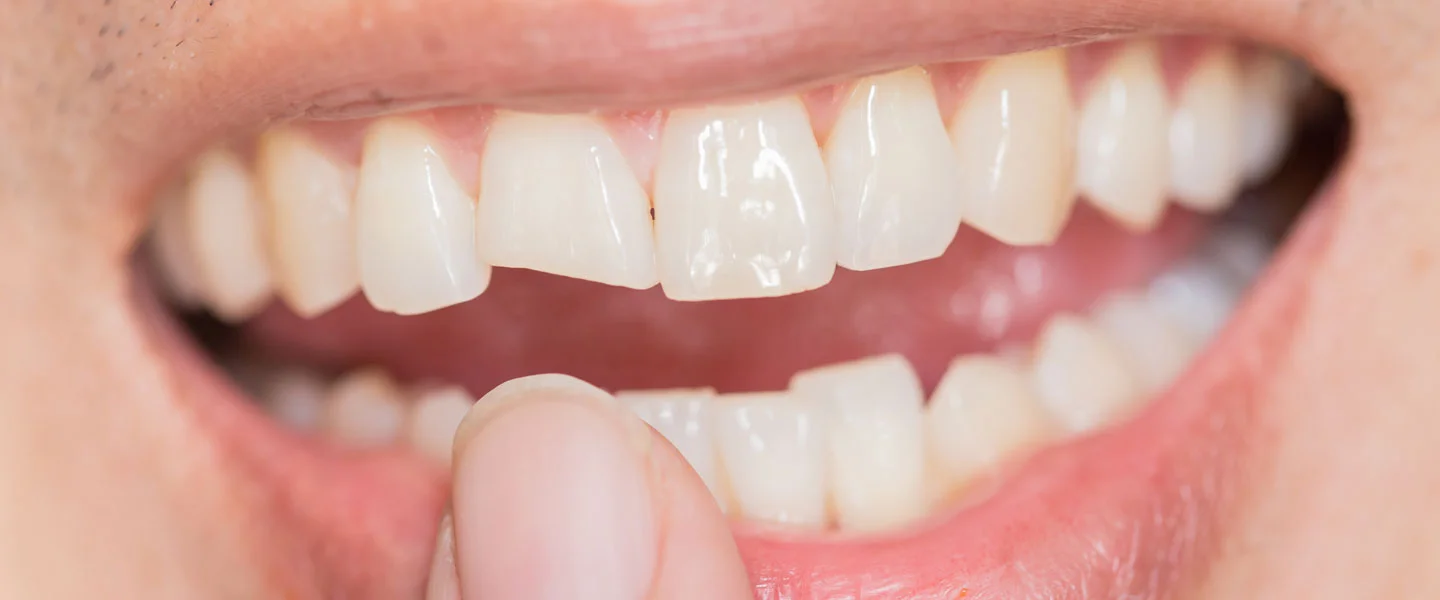
Despite tooth enamel being one of the body's hardest tissues, chips and breaks can occur. A chipped tooth may not always demand immediate emergency attention, but seeking prompt dental advice is essential to prevent potential complications. Learn about the signs and symptoms that indicate you may have chipped a tooth, even if the damage is not immediately visible.
Assessing the Severity: How Much Damage is Too Much?
Not all chipped teeth are created equal, and understanding the severity of the damage is crucial. Explore the signs that suggest your chipped tooth may require urgent attention, and discover temporary relief measures you can take before seeing a dentist.
From over-the-counter pain relievers to protecting jagged edges, find out how to manage discomfort while waiting for professional care.
What Causes a Chipped Tooth?
Chipping a tooth can result from various incidents, from sudden impacts to ongoing dental issues. Delve into the common causes of chipped teeth, including sports injuries, biting on hard substances, and complications with dental restorations.
Understanding the underlying causes can help you take preventive measures to protect your teeth.
Trauma to the Face or Mouth
Often occurring during sports or accidental falls, facial impacts are a prevalent cause of chipped teeth. Wearing a mouth guard during contact sports can significantly reduce the risk of dental injury.
Biting Down on Hard Foods
Biting on hard items is another common culprit. Dentists advise against chewing on items like ice, hard candy, or popcorn kernels to prevent dental damage, especially if you have weakened teeth.
Excessive Teeth Grinding (Bruxism)
Grinding your teeth during sleep wears down outer tooth surfaces over time, significantly increasing susceptibility to chipping and fracture.
Age-Related Factors
Children and individuals over 50 often have naturally weaker teeth, making them more prone to chipping. While age is uncontrollable, modifying risky habits and activities helps protect tooth structure.
Large Fillings or Past Root Canals
Large dental fillings, active cavities, or a history of root canals can compromise and weaken remaining natural tooth structure, elevating the risk of future chips.
Poor Oral Hygiene
Inadequate oral care leads to damaged or thinning tooth enamel, rendering teeth more vulnerable to unexpected bites or accidents. Maintaining good oral hygiene is essential for strong teeth.
Chipped Tooth Treatment
Discover the comprehensive treatments available for chipped teeth and understand how dentists tailor repair strategies based on the depth and position of the chip. From dental bonding for superficial chips to root canal therapy for deep chips exposing the tooth pulp, explore the range of options for chipped tooth repair.
In the event of a chipped tooth, various solutions are available through the expertise of an emergency dentist. The choice of treatment hinges on the size of the chip, categorising it into small, medium, or large.
For small chips, where the damage is minimal, your dentist can adeptly smooth out the jagged edges and polish the tooth, often requiring no additional treatment.
Medium-sized chips, impacting the tooth enamel, necessitate more comprehensive treatment. Your dentist may employ fillings, caps, or crowns to cover the chipped area, enhancing both function and aesthetics. This protective measure shields the inner layers of the tooth, reducing the risk of infection. In certain cases, the dentist may successfully reattach the broken-off tooth fragment.
Large chips that expose the tooth nerve demand a more intricate approach. Simple fillings won't suffice, requiring your dentist to perform a root canal to remove the damaged nerve. Subsequently, the chipped tooth is typically replaced with a crown or cap.
If the chip primarily affects the tooth's appearance, dentists have a range of options for restoration. Techniques such as bonding, porcelain veneers, and dental onlays allow for the creation of durable, natural-looking replacements for the damaged section of the tooth, addressing both aesthetic concerns and structural integrity.
When it comes to chipped tooth repair, choose a dental practice that combines friendly service with cutting-edge technology.
At Molonglo Dental Surgery, we are dedicated to addressing all your dental concerns, providing expert solutions for chipped teeth and more. Book an appointment with our Friendly Dentist in Molonglo Valley, Canberra. Contact Molonglo Dental Surgery at 02 6287 1222.