
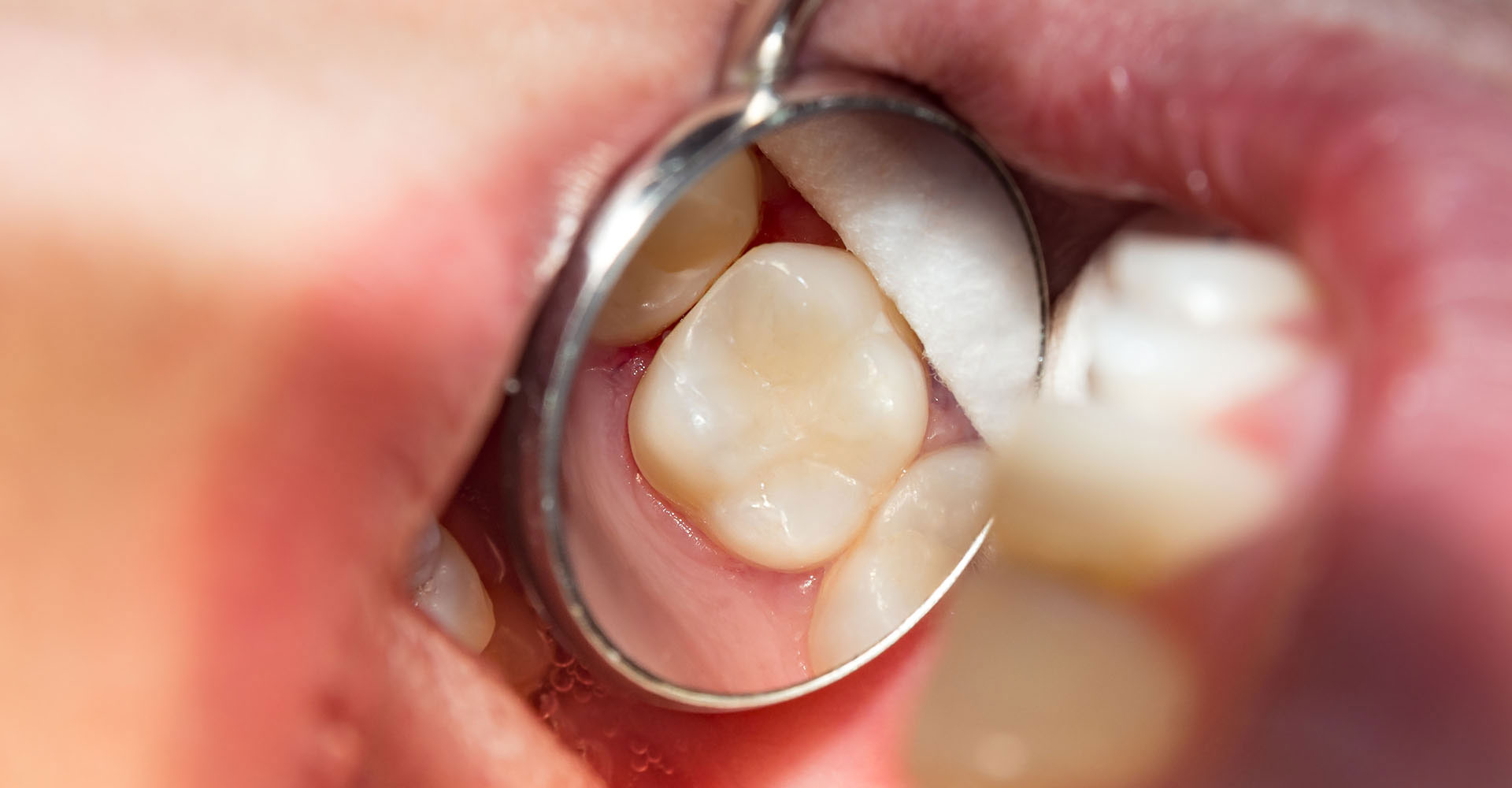
Composites or Resin composites or tooth-coloured fillings have been widely used as an alternative to mercury fillings for nearly 65 years since its inception in 1955. However, there have been extraordinary developments in technologies concerning esthetic restorative materials since then.
A few surveys confirmed that most Australians are concerned with the detrimental effects of mercury. Patients strongly expressed a desire for safe alternative dental fillings. According to another survey conducted among Australian dentists, 79 per cent of them confirmed that one of the factors in the choice of dental filling material was the aesthetic demands of the patients.
Advantages of Composite Resin Fillings Over Amalgam Restorations
The data available on the toxicity of mercury and the longevity of amalgam restoration is not considerable.
Chemical Bonding: Amalgam or silver fillings do not chemically bond to the tooth. As a result, the tooth in question may need more drilling to hold the amalgam filling inside.
Superior Aesthetics: If a resin composite filling is polished well after it has hardened, it may be hard to discern its margin from the natural tooth contour.
No Post-Treatment Expansion: Amalgam fillings may expand after 24 hours, causing immense pain to the patient. This aspect is nullified in the case of tooth-coloured fillings.
Mercury-Free Safety: There have been controversies towards the leaching of mercury from amalgam fillings into the bloodstream and breast milk. Mercury is considered a neurotoxin. Hence composite resins are preferred due to lesser adverse reactions in the body. Composite restorations are considered safe fillings for teeth and are widely used now.
Comparable Longevity: Depending on the location of the resin composite filling, studies have proved that tooth-coloured fillings can last as long as amalgam fillings.
No Tooth Discolouration: Patients have complained of a greyish or blackish discolouration of the tooth with a silver filling because the colour pigment leaks into the tooth structure. Additionally, teeth appear darker because of the shadow of the amalgam.
Easier Repairs: Unless your dentist decides otherwise, a new composite filling can be done directly over an old tooth-coloured filling—removing composite fillings entirely isn't always necessary. However, silver fillings require a complete removal procedure of the old restoration rather than simply being built over it.
The procedure to restore a tooth with a resin composite filling isn't lengthy and tiresome. Your friendly dentist at Molonglo Dental Surgery will begin by drilling the tooth and making sure it is free of caries. Thereafter, the tooth shall be isolated to prevent it from getting contaminated with saliva. Following this, your dentist will apply an etching compound to ensure the tooth-coloured filling develops a strong bond. Subsequently, your dentist will either fill your tooth with composite at once or in parts, using a blue light to harden the filling. Once the filling is placed, your dentist will remove any excess material and examine whether it interferes with your bite.
Composite or tooth-coloured fillings have a few disadvantages as well. These could include the filling losing its chemical bond over time, leading to food and liquid entering minor gaps and creating new cavities. However, this depends upon the diet you follow, your oral hygiene status, and the frequency of dental checkups you have each year. Rest assured that our team at Molonglo Dental Surgery will recognize the smallest damage to any fillings and advise you on treatments accordingly.
When a tooth is repaired with a filling, it doesn't ensure that the tooth is as hard as it naturally was. Enamel is the hardest substance in the human body, and a major part of a tooth consists of enamel. Hence, the purpose of a filling is to alleviate pain, enhance aesthetics, or enable proper chewing—it substitutes natural tooth composition rather than replacing it identically.
Essential Aftercare Instructions
Whether it's a composite filling, an amalgam filling, a gold filling, or any other type, the following care instructions remain pertinent:
Bite and chew cautiously: Biting down hard immediately following a filling can result in pain.
Avoid hard foods: Chewing on hard candy, nuts, or ice can cause pain by exerting excessive pressure on the teeth.
Avoid sticky foods: Eating sticky foods too soon after a procedure can dislodge your new filling.
Eat slowly: Eating at a deliberate pace helps prevent biting down too hard on your new restoration.
Avoid sugary foods: Sugary foods and drinks can trigger sensitivity and promote bacterial growth around your new filling.
Avoid extreme temperatures: Consuming food and beverages at room temperature avoids triggering temperature sensitivity.
Chew with your mouth closed: Keeping your mouth closed lowers the chance of cold air entering and causing discomfort.
After you've had your tooth filled, your Canberra dentist at Molonglo Dental Surgery will give you specific instructions about:
- How long to wait before eating
- How long to wait before chewing on the restored tooth
- What foods and beverages to avoid
"Man has, as it were, become a kind of prosthetic God. When he puts on all his auxiliary organs, he is truly magnificent; but those organs have not grown on him and they still give him much trouble at times." — Sigmund Freud
We at Molonglo Dental Surgery understand this and pledge morally acceptable, patient-satisfactory, and affordable dental therapies to the best of our capabilities. Call us on 02 6287 1222 to book your appointment today, or visit our website at Molonglo Dental Surgery.