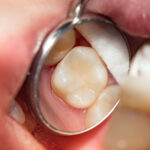

Oral malodor, bad breath or Halitosis is an embarrassing disorder that affects a large percentage of the human population. According to a Say Ahh Study undertaken in association with the Melbourne Dental School, University of Melbourne, researchers found that more than half of the General Dental Practitioners reported seeing 1-10 patients with halitosis every week.
Common Causes of Bad Breath
Tooth Pathologies: Large dental cavities, oral cancer, and improper wound care after extractions (dry socket) cause a rapid increase in bacterial count, directly contributing to bad breath.
Gingival Diseases: Gingival diseases occur due to poor oral hygiene or as a side effect of medications. Left untreated, they prove to be a significant cause of persistent bad breath.
Dental Appliances: Improper cleaning under orthodontic brackets or wires, neglecting to brush dentures to remove food debris, or wearing an ill-fitted crown/bridge can cause food impaction. This sets off bacterial reactions resulting in bad breath.
Dry Mouth: Dry mouth may be caused by underlying systemic disease or as a side effect of certain medications. If unaddressed, decreased moisture leads to significant malodour.
Impaired Salivary Flow: An impaired salivary flow in the mouth (less saliva production) exacerbates dry mouth conditions, ultimately resulting in halitosis.
Smoking: Excessive smoking promotes gum disease and tobacco residue retention, inadvertently leading to bad breath.
Alcohol: Excess alcohol consumption dries the oral tissues and promotes the proliferation of odour-causing bacteria in the oral cavity.
Coating on the Tongue: Poor oral hygiene results in a build-up on the upper surface of the tongue containing bacterial products and food debris. The decomposition of this residue over time generates foul odours.
Impacted Food: A lack of flossing allows food particles to remain trapped in the small gaps between teeth. Over time, these uncleaned particles foster rapid bacterial growth.
Gastrointestinal Diseases: Underlying systemic conditions like Helicobacter pylori infection or gastroesophageal reflux disease (GERD) can be primary non-oral sources of malodor.
Systemic Diseases: Disorders of the liver, kidneys, and blood-related conditions can cause distinct and significant halitosis.
Respiratory Diseases: Bacterial activity in bronchitis, tonsillitis, tonsillar stones, and lung infections produces volatile malodorous gases, subsequently causing halitosis.
Dietary Factors: Consuming garlic, onions, and heavily spiced foods causes transient halitosis as volatile compounds enter the bloodstream and lungs.
How to Self-Assess for Halitosis
The following guidelines may help you recognize whether you might be experiencing halitosis. However, we at Molonglo Dental Surgery urge our patients to undergo a complete clinical examination to accurately ascertain the cause of bad breath.
- You believe you have bad breath or have been informed by someone else.
- You have visited a physician regarding bad breath on one or more occasions.
- You have bleeding gums, loose teeth, or multiple deep dental cavities.
- You have been diagnosed with dry mouth by a general practitioner.
- You suffer from frequent canker sores.
- You frequently experience an unpleasant taste in your mouth.
- You notice a white or yellowish coating on your tongue rather than a healthy pink appearance.
- You feel your bad breath is impacting your social or professional life.
- You have recently suffered from sinusitis, bronchial conditions, stomach dysfunction, diabetes, liver dysfunction, anaemia, autoimmune disease, or emotional distress.
- You are a chronic smoker.
- You frequently experience postnasal drip, hay fever, or nasal allergies.
If you identify with two or more of the aforementioned conditions, you can call us on 02 6287 1222 to book an appointment at Molonglo Dental Surgery for a detailed dental examination, diagnosis, and treatment plan.
Treatment of Bad Breath
The treatment of halitosis requires a multidisciplinary approach. Dentists, dental hygienists, general physicians, ENTs, gastroenterologists, and psychiatrists often collaborate to treat the condition effectively.
Extraoral Causes: When bad breath originates outside the mouth, your dentist or hygienist will arrange a consultation with a relevant medical specialist (e.g., ENT, gastroenterologist, pulmonologist, or general physician).
Intraoral Causes: For bad breath originating inside the mouth, treatment follows a structured clinical pathway to identify and resolve local factors.
Intraoral Clinical Pathway & General Treatment
- Comprehensive consultation with your dentist
- Intraoral examination with/without diagnostic radiographs and specialized tests
- Definitive diagnosis of the underlying cause
- Implementation of targeted dental care, which may include:
- Brushing with a soft-bristled toothbrush twice daily
- Gentle daily scraping of the tongue coating using a toothbrush or dedicated tongue scraper
- Professional scaling and cleaning of teeth and gums
- Targeted antimicrobial mouthwashes as prescribed
- Daily interdental flossing
- Specialist referral if required
In the event that additional restorative care is needed—such as tooth-coloured fillings, root canal treatments, extractions, or periodontal therapy—your friendly dentist at Molonglo Dental Surgery will provide custom treatment options based on your oral health needs.
As the famous writer Dennis Prager says, "A bad mood is like bad breath. Both are wrong to inflict onto others."