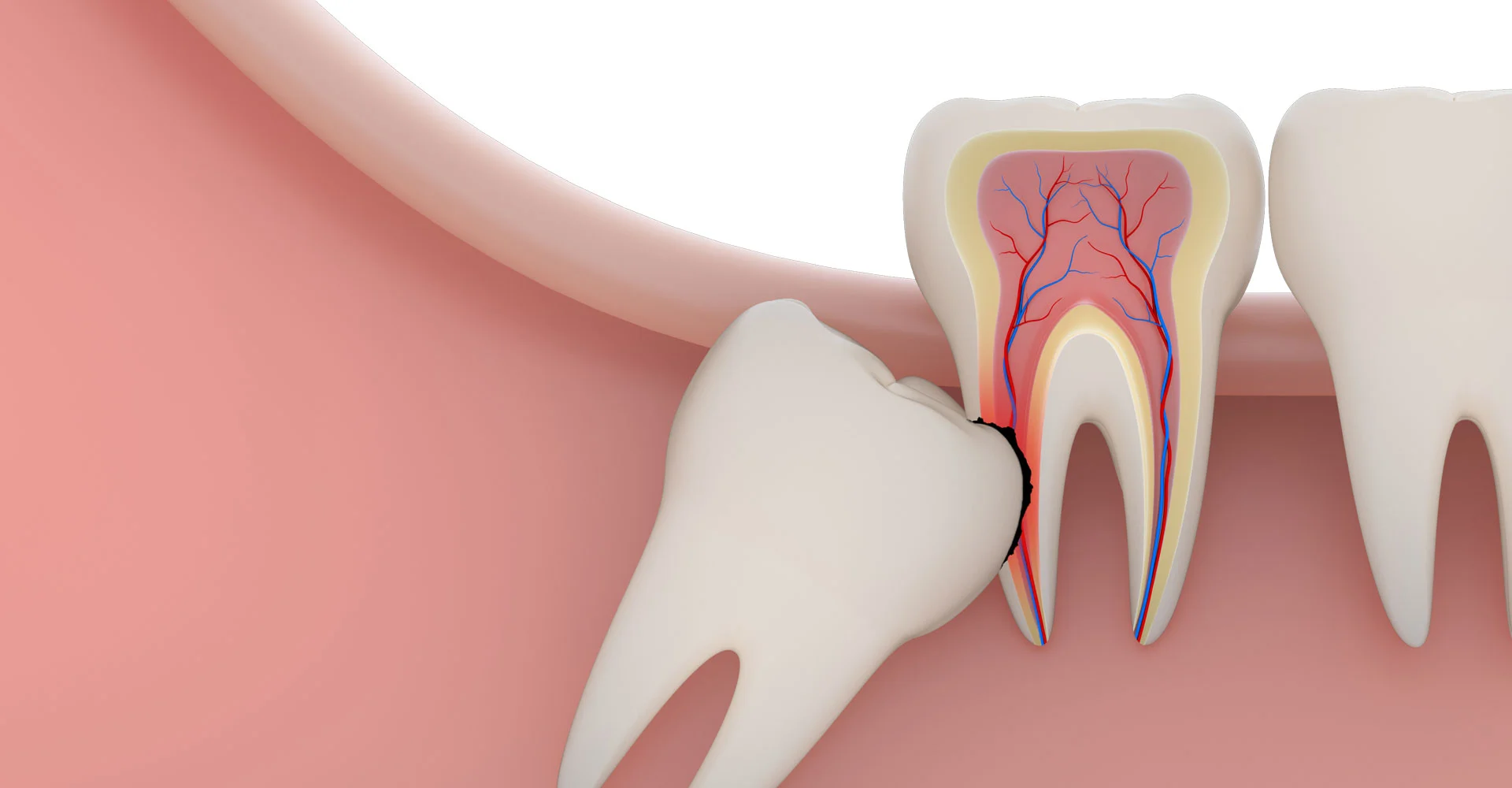
If you're planning to have surgery to take out wisdom teeth, you should be aware of what to do following the surgery. In this blog, we will share with you important post-operative care tips, as well as complications to look out for.
Post-Operative Care
Practicing good post-operative care will help to achieve the best outcome for wisdom teeth removal, making the treatment process as safe and pleasant as possible.
Here are some of the things to keep in mind as you enter the post-surgery recovery phase:
Get Plenty of Rest: The importance of rest and relaxation cannot be over-emphasized. Even for minor surgeries, the body undergoes trauma that only rest can help it recover from. Take a few days to a week to recuperate from the procedure before returning to your normal routine, including school or work.
Pain Medication: You will be given one or more types of pain medication after the wisdom teeth removal surgery. Take the medication exactly as prescribed by your doctor. Since it will take a while for the painkillers to become effective, take your medication in anticipation of the pain rather than after it sets in.
Bite and Chew with Caution: Do not try to eat solid food too soon after your wisdom teeth removal. Solid food can knock out the protective blood clots that have formed over your wounds, causing infection. Eat only semi-solid food for several days to a week after your surgery, and drink lots of water.
Cold Compression for Pain Relief: You will likely experience some inflammation of the soft tissues in your mouth after the surgery. Apply cold compression (ice cubes wrapped in a clean towel) to the jaw area to alleviate swelling.
Be Careful What You Put in Your Mouth: Drinking straws and cigarettes are major culprits of infection and poor healing to avoid at all costs. Both involve sucking air into the mouth, which with enough force can knock out protective blood clots. Take a break from smoking and any other habit that involves suction in your mouth.
Complications and Side Effects
Like all dental procedures, there is always the risk of side effects, no matter how minimal the risk may be.
The goal of this section is to help manage your expectations regarding the process and to explain some of the possible complications:
Loose Teeth: This is due to the teeth temporarily having less bone support. Another related condition is the fracturing of associated teeth; teeth with large fillings are more prone to this due to being inherently weaker.
Dry Socket: This occurs when either the clot fails to form effectively around the wound or forms but is prematurely shed. The uncovered bone can result in a considerable amount of pain, which usually lasts for two weeks or more before passing on its own.
Swelling: Swelling in the affected region often lasts for seven to ten days before tenderness completely resolves.
Nerve Injury: This is a rare, usually short-lived issue if it occurs. It can result in temporary numbness in the lower lip, tongue, and cheeks, and may also affect taste and sensation in the tongue region.
Jawbone Fracture: Caused by the force applied when removing the tooth, this situation is extremely rare and typically occurs only in elderly patients prone to fragile bones or bone disease.
Paresthesia: Occurs when nerves are bruised or damaged during the tooth removal process. Patients at high risk for paresthesia due to root anatomy near nerve pathways are typically prescribed anti-inflammatory steroids starting a day prior to their procedure to significantly reduce post-operative inflammation.
Looking for a Canberra dentist for safe wisdom teeth removal? Molonglo Dental Surgery can help.
If you’re experiencing dental pain or suspect a problem with your wisdom tooth, book an appointment with our Friendly Canberra Dentist in Molonglo Valley – contact Molonglo Dental Surgery at 02 6287 1222.